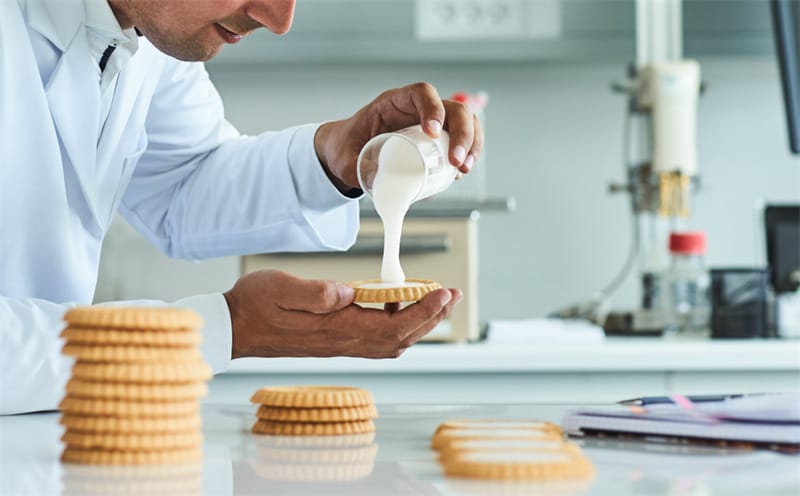
Oterra and Seprify have announced a strategic partnership that will see the brands working together on a plant-based white food coloring that's optimized for the food and beverage industry. The ingredient is based on Seprify's patented microcrystalline cellulose (MCC) technology and is reported to achieve the same leave of opacity, brightness and whitening effects as titanium dioxide. The ingredient is sourced from FSC-certified virgin wood pulp and is nano-compliant, food-safe and reported to have 80% lower CO₂ emissions when compared to titanium dioxide.
Chief Innovation Officer at Oterra Luc Ganivet spoke on the partnership with Seprify saying, "While we’ve had natural alternatives for specific use cases, this new cellulose-based white gives us broader functionality across more food and beverage systems. It’s a major step forward in delivering clean-label solutions without compromising on performance.”
Key Themes Behind This Trend
- Clean-label Colorants
- The shift towards clean-label food products is enhancing consumer demand for natural colorant alternatives, creating opportunities for innovation in food transparency and health-conscious ingredients.
- Sustainable Food Technologies
- Developments in sustainable food technologies, such as cellulose-based alternatives, are driving innovation in reducing environmental impacts in food production.
- Plant-based Ingredients
- The partnership’s focus on plant-based ingredients highlights a growing trend in the food industry for natural sources that maintain performance while aligning with eco-friendly values.
Where This Applies
- Food and Beverage
- The food and beverage industry is witnessing a transformative shift as companies explore natural, sustainable, and artificial-free ingredients to cater to eco-conscious consumers.
- Sustainable Materials
- The sustainable materials industry is poised for growth as alternatives like cellulose-based compounds present new possibilities for eco-friendly innovations across various sectors.
- Natural Food Additives
- Natural food additives industry stands at the forefront of food innovation, offering alternatives that maintain functionality while meeting demands for cleaner labels.