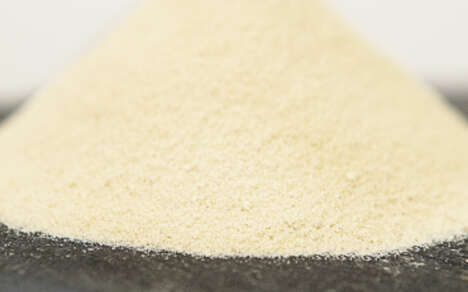

Israeli biotechnology firm Phytolon is redefining natural food coloring through an innovative precision fermentation process that converts baker's yeast into vibrant betalain pigments. The Yokneam Illit-based company has engineered a sustainable alternative to traditionally sourced colorants, which typically require extensive agricultural cultivation of beetroot, cactus fruit, and pitaya. Since its founding in 2018, Phytolon has secured $18.6 million in funding to advance its technology and expand its portfolio of natural hues.
The company's range of fermentation-derived colors spans the red spectrum and offers a sustainable substitute for carbon-intensive synthetic dyes like Red Dye No. 3. These versatile pigments are designed for broad application across multiple food categories, including bakery, frozen foods, dairy products, and confectionery. By eliminating the need for crop cultivation while maintaining color stability, Phytolon's technology represents a significant advancement in eco-friendly food ingredient production.
Image Credit: Michroma
Key Themes Behind This Trend
- Sustainable Food Colorants
- Phytolon's fermentation-based colorants offer eco-friendly alternatives to synthetic dyes, reducing carbon emissions associated with food coloring.
- Precision Fermentation
- The use of precise fermentation techniques to create pigments from yeast signifies a shift towards more controlled and resource-efficient production methods.
- Biotechnological Ingredients
- The development of yeast-derived food colorants highlights the growing role of biotechnology in creating sustainable and versatile food ingredients.
Where This Applies
- Food and Beverage
- The sector is increasingly incorporating naturally-derived colorants to meet consumer demand for clean-label and environmentally conscious products.
- Biotechnology
- Innovation in biotechnology is driving advancements in sustainable ingredient production, as seen with Phytolon's yeast-derived pigments.
- Sustainable Agriculture
- Alternative approaches like yeast fermentation are minimizing reliance on traditional agricultural methods for sourcing natural ingredients.