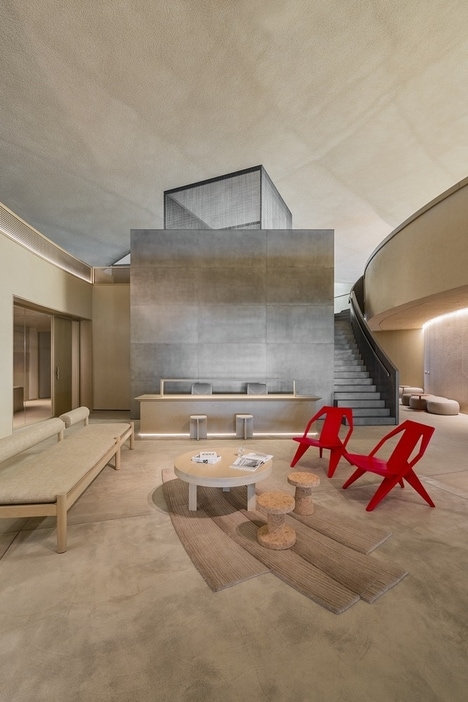
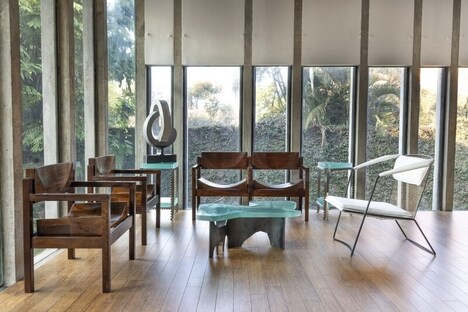
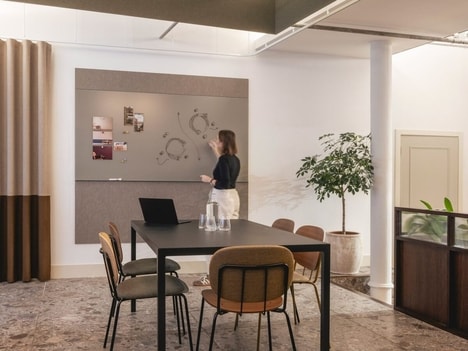
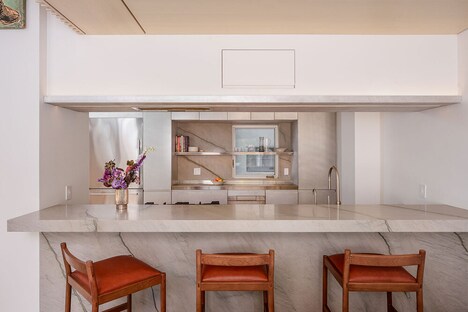
At NeoCon 2026, Kettal unveiled a series of new introductions that reflect the company's evolving approach to workplace design. Presented under the Kettal Workplace platform, the collection brings together architecture, furniture, lighting, acoustics and flexible spatial solutions to create more adaptable and human-centred environments.
Highlights include Area, a modular workplace system developed with Foster + Partners Industrial Design that integrates power, lighting and connectivity within a flexible framework for collaborative workspaces. Barber Osgerby's new U-Type chair reimagines workplace seating through a softer, more residential lens, combining advanced ergonomics with a calm architectural aesthetic. Kettal also reintroduced Verner Panton's Shogun chair in collaboration with Verner Panton Design AG, bringing renewed attention to the designer's later work.
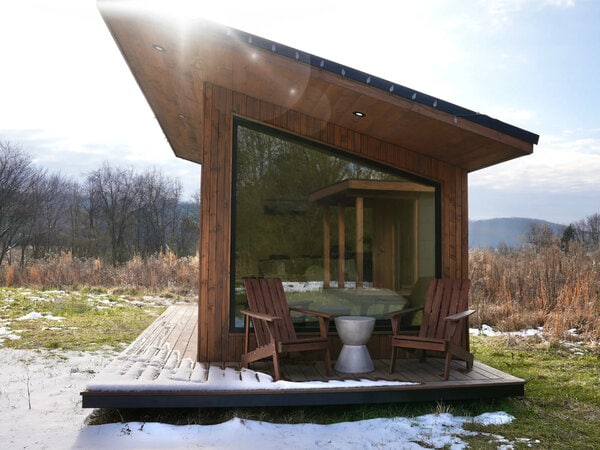
The presentation further explored new workplace applications of the Eames Pavilion System, developed in collaboration with the Eames Office. Building on Charles and Ray Eames' ideas around modularity, adaptability and human-scaled design, the system demonstrates how flexible architectural structures can support contemporary ways of working.
Together, the launches highlight a growing shift away from conventional office environments toward workplaces that blend the comfort of residential interiors with the flexibility, technology and performance required for modern work.
What's Driving This Trend
- Modular Workplace Systems
- Flexible office frameworks with built-in power, lighting, and connectivity create openings for adaptable spatial platforms that can be reconfigured as team behaviors change.
- Resimercial Office Design
- Softer seating, warmer materials, and residential-inspired aesthetics signal potential for workplace products that merge ergonomic performance with emotional comfort.
- Human-centered Collaboration Spaces
- Architectural systems shaped around acoustics, lighting, and scale reflect demand for environments that support focus, collaboration, and employee well-being in one setting.
Who This Affects Most
- Office Furniture
- Manufacturers are finding new value in seating and modular products that combine advanced ergonomics, integrated technology, and design-led adaptability.
- Commercial Interior Design
- Design studios can benefit from the shift toward hybrid workplace environments where furniture, architecture, and infrastructure function as unified systems.
- Workplace Technology
- Connected spatial solutions highlight opportunities for embedded digital infrastructure that makes offices more responsive, flexible, and supportive of modern work patterns.