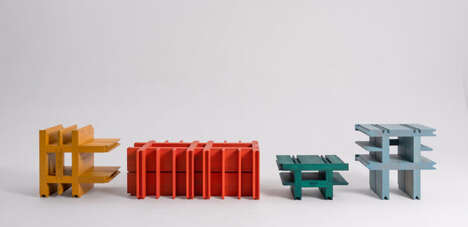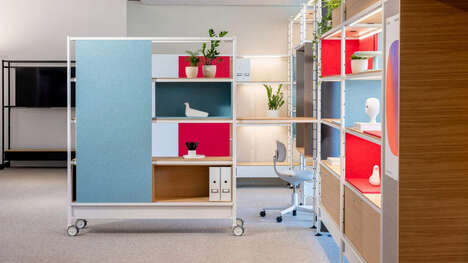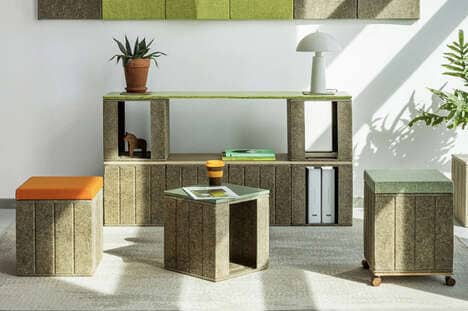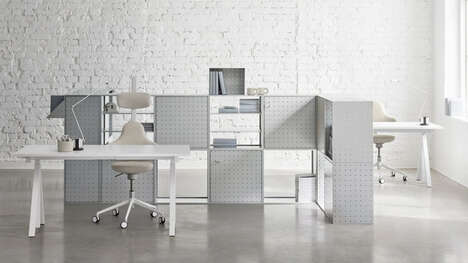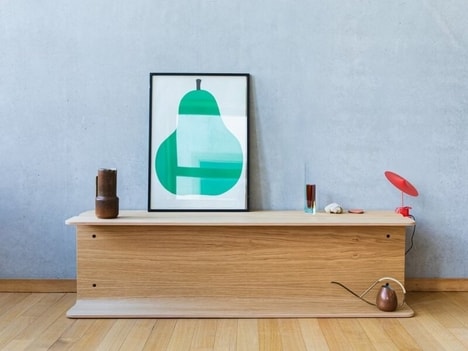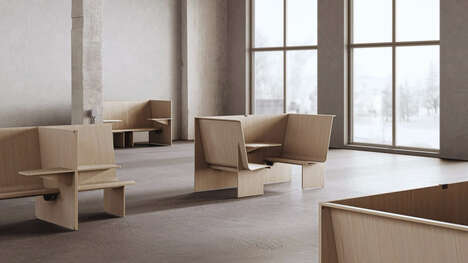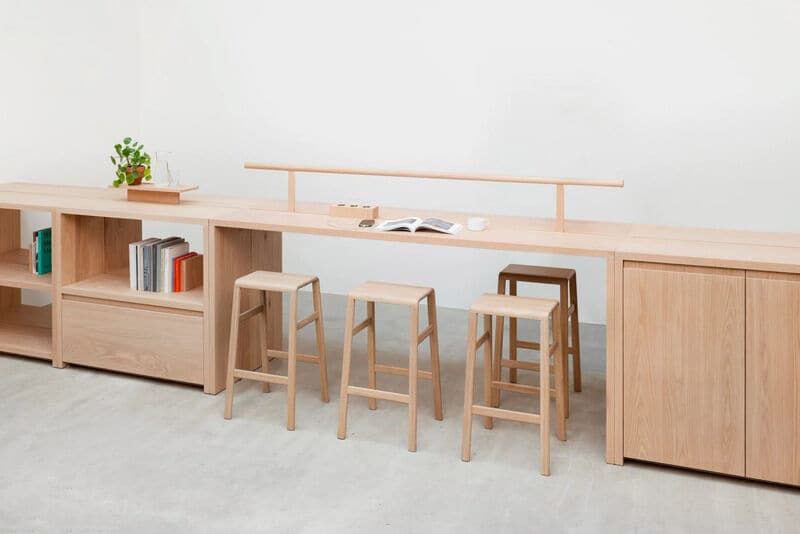
The team at Foster + Partners Industrial Design created the ILE Modular system which is an adaptable office furniture structure that is made from solid wooden materials. It is constructed for a British brand known as Benchmark and features several wooden components that can be placed together back to back or next to one another to form a cohesive look.
The modules in the range include shelves, lockers, planters, tables, and benches that are all joined through a timber fixing strip that has hidden keyhole fittings to be easily connected and disconnected without struggle. Mike Holland, head of Foster + Partners Industrial Design notes, "Our ambition was to create a highly flexible, solid timber system that can be easily reconfigured – while simultaneously embodying the high level of craft and quality that Benchmark is known for."
Image Credit: Benchmark
What Makes This Trend Stand Out
- Modular Office Furniture
- Highly adaptable office furniture systems enable cost-effective and customizable workspace solutions.
- Sustainable Office Design
- Using solid wooden materials promotes environmentally friendly practices and aligns with the growing demand for sustainable office environments.
- Easy-reconfiguration Furniture
- Furniture that can be easily connected and disconnected offers significant benefits in terms of adaptability and space utilization.
Sectors Adopting This
- Office Furniture Manufacturing
- Advancements in modular designs present opportunities for innovation in creating more versatile and sustainable office furniture.
- Sustainable Building Materials
- Rising adoption of solid wood systems in construction showcases the potential for eco-friendly material solutions in various industries.
- Workspace Design and Consulting
- The evolving nature of modular office structures opens new avenues for workspace design firms to offer highly customizable and dynamic solutions.