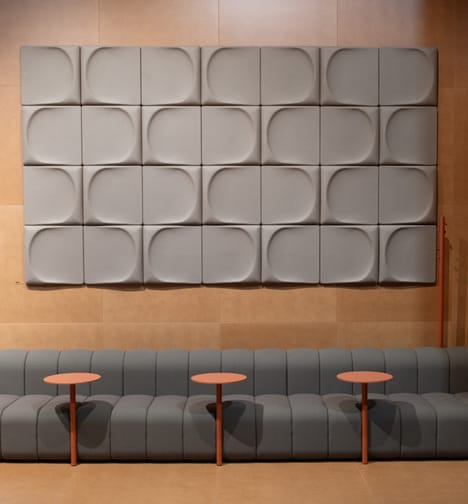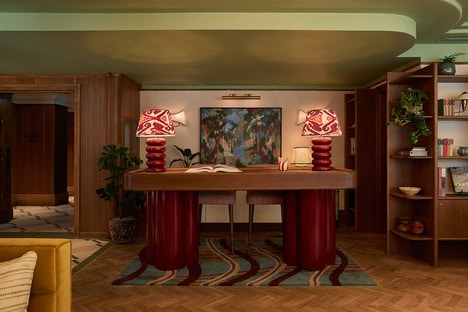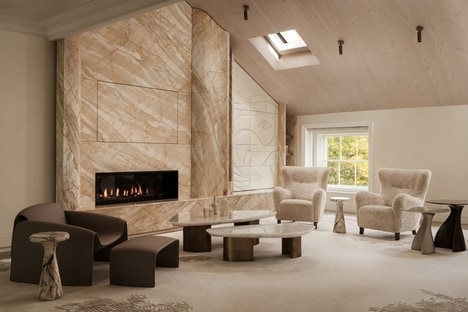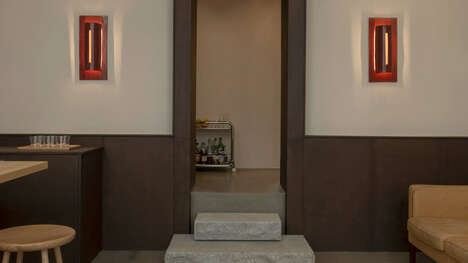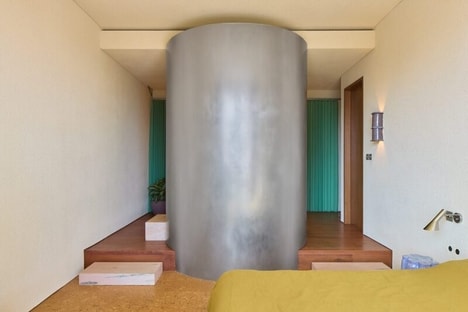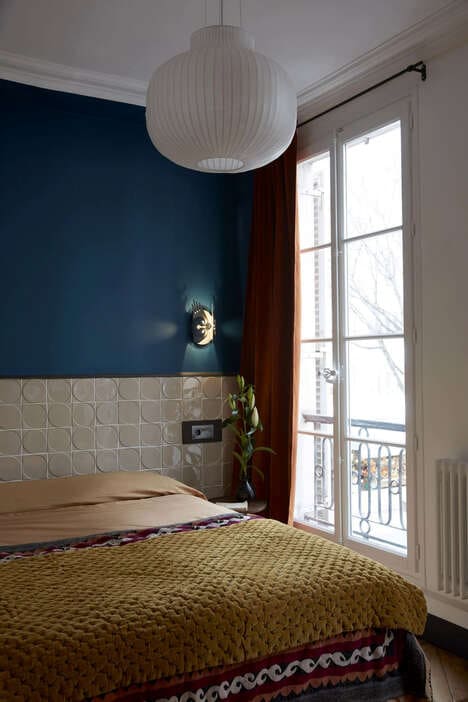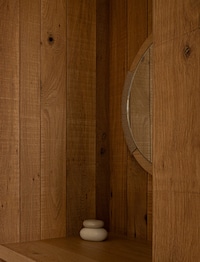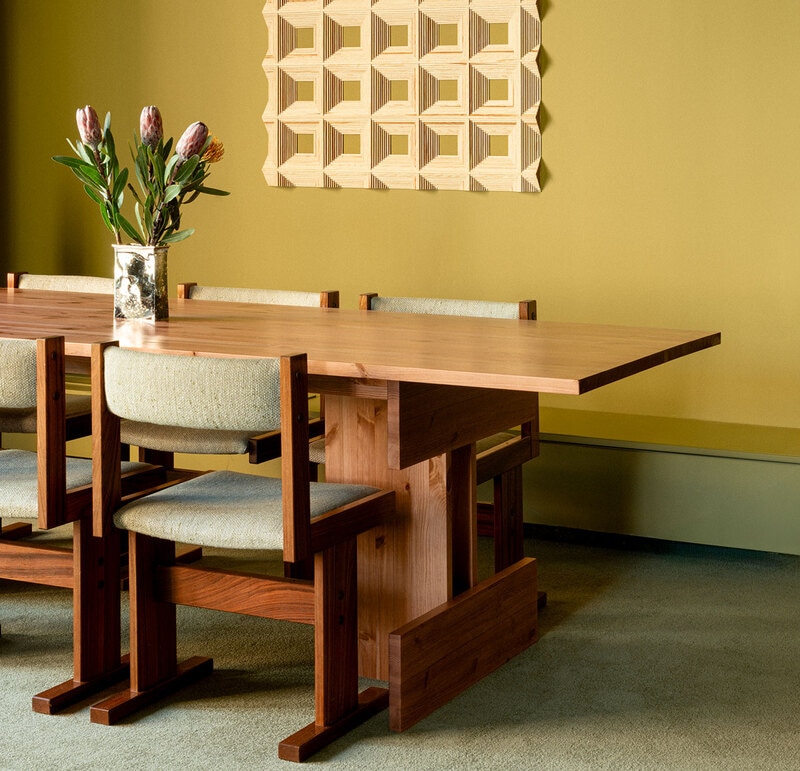
Bob W Stockholm is located in a 1960s mid-rise building that has been transformed into a 51-unit apartment hotel merging digital convenience with design heritage. Note Design Studio retained original architectural elements such as exposed materials, midcentury forms, and built-in details while layering in contemporary touches of wood, oxblood red, sage green, and neutral tones. The result is a space that respects its past while feeling distinctly modern.
Each room integrates digital guest interfaces, smart systems, and compact kitchens to serve long-stay travelers seeking flexibility. Public areas are framed by monochromatic backdrops that allow vintage furnishings and local artworks to stand out. The project preserves the building’s character while introducing new textures, lighting, and technology to support modern lifestyles. Bob W positions this concept as a hospitality model that acknowledges history while adapting to the needs of contemporary urban nomads.
Image Credit: Note Design Studio
Key Themes Behind This Trend
- Heritage-driven Design
- Blending historical architectural elements with contemporary aesthetics provides opportunities to create unique living spaces that honor tradition while appealing to modern sensibilities.
- Tech-enhanced Hospitality
- Incorporating digital interfaces and smart systems into accommodations addresses the growing demand for tech-integrated living environments that enhance convenience and personalization.
- Flexible Long-stay Accommodations
- The emergence of compact, versatile living spaces caters to urban travelers seeking extended-stay options that combine home-like comfort with hotel-level services.
Where This Applies
- Boutique Hotel Industry
- Reimagining mid-century architecture with modern amenities and personalized service defines a new avenue for boutique hotels appealing to design-conscious travelers.
- Interior Design Sector
- The fusion of vintage elements with new materials and color palettes creates opportunities for interior designers focusing on innovative ways to balance old and new.
- Smart Home Technology
- Advancements in integrating smart systems into living spaces open new pathways for tech companies to meet the demands for seamless, high-tech hospitality experiences.