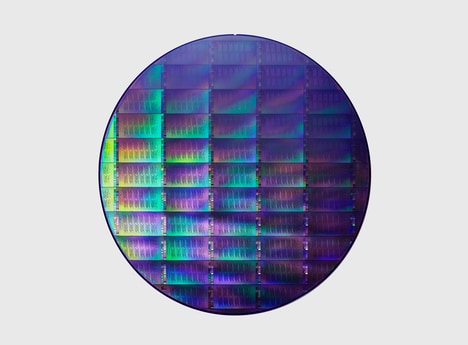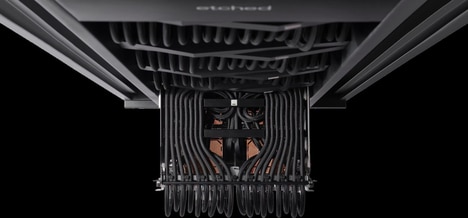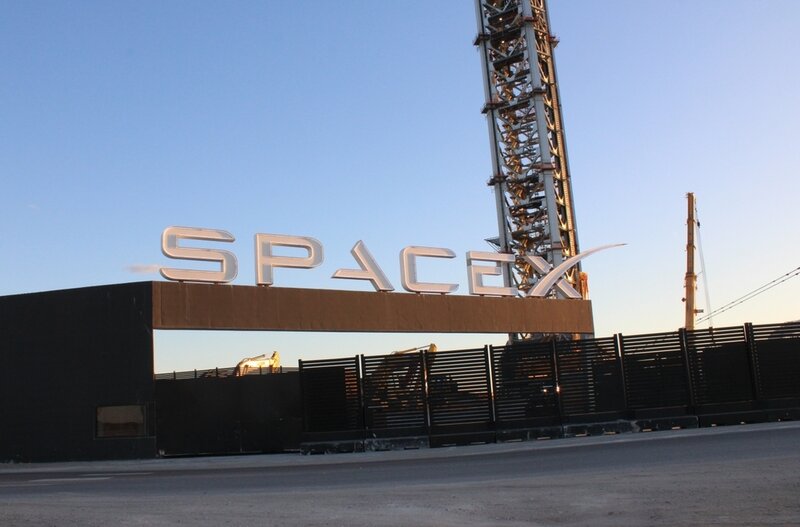
Tesla and SpaceX announced 'Terafab,' an advanced semiconductor factory planned for Grimes County, Texas, with an initial investment of $16.8 billion and more than 100 million square feet of planned manufacturing space. The facility will employ at least 3,000 people from Grimes and Brazos counties, and SpaceX filings suggest total spending could reach as much as $119 billion over a multi-phase construction plan.
Terafab will handle the manufacturing, packaging and testing of advanced logic and memory devices, producing chips optimized for edge computing in hardware such as Tesla's Optimus robots and self-driving Cybercabs, as well as high-power chips for SpaceX's space-based data centers.
Terafab signals that vertically integrated manufacturing at unprecedented scale is becoming the next frontier for companies racing to control their own semiconductor supply chains.
Image Credit: Shutterstock/Findaview
What Makes This Trend Stand Out
- Semiconductor Verticalization
- End-to-end chip production under one corporate ecosystem reshapes supply chain control for robotics, autonomous vehicles, and aerospace computing.
- Edge-AI Hardware
- Specialized logic and memory devices designed for local processing create new performance advantages for machines operating outside traditional cloud environments.
- Megafactory Scale-up
- Ultra-large manufacturing campuses concentrate capital, talent, and production capacity in ways that redefine industrial competitiveness and regional economic development.
Sectors Adopting This
- Semiconductors
- Advanced fabrication, packaging, and testing capacity becomes a strategic differentiator as companies seek tighter alignment between chip design and product roadmaps.
- Autonomous Mobility
- Self-driving fleets depend on high-performance onboard computing, opening space for custom silicon architectures tailored to safety, latency, and energy efficiency.
- Aerospace Technology
- Space-based data infrastructure requires resilient high-power chips, expanding the role of semiconductor innovation in orbital computing and communications networks.