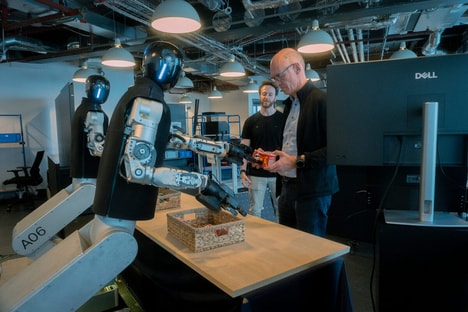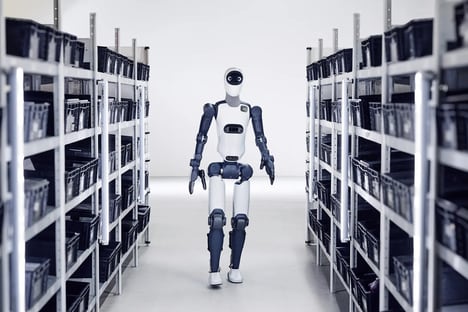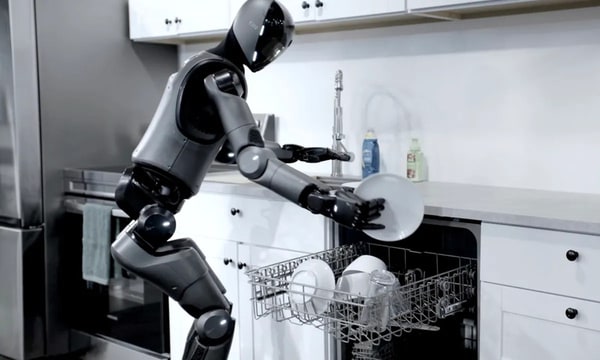
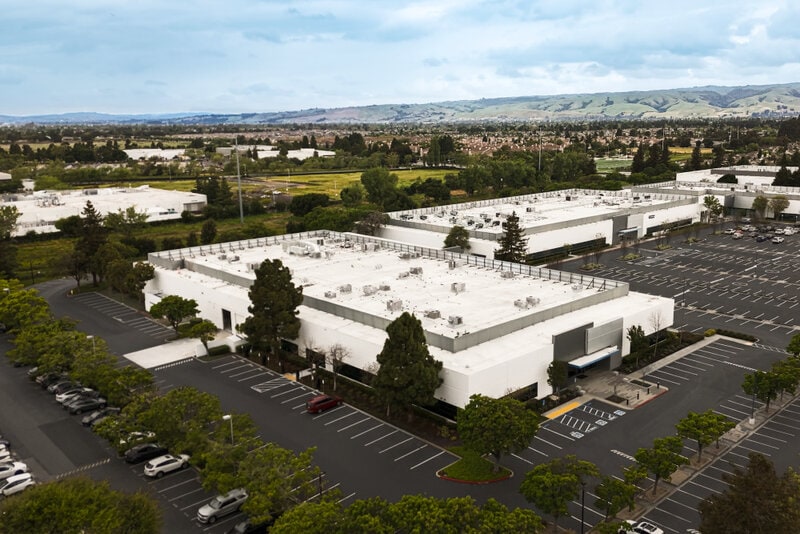
Physical AI development is reshaping enterprise robotics by creating dedicated centers where humanoid robots continuously improve through real-world testing and operational data. Agility Robotics' new Silicon Valley facility will focus on training, validating and expanding the AI capabilities of its humanoid robot, Digit, enabling it to perform increasingly complex tasks in warehouses and manufacturing environments. By combining software development with feedback from active customer deployments, the company aims to accelerate the rollout of new capabilities while improving safety and productivity.
For businesses, specialized Physical AI hubs can shorten the time required to develop, test and deploy advanced robotics for commercial operations. Continuous learning from enterprise environments helps robots adapt more quickly to changing workflows while supporting broader automation strategies. As demand for humanoid robots grows across logistics and manufacturing, dedicated AI development centers are likely to become an important competitive advantage for companies building the next generation of intelligent industrial automation.
Image Credit: Agility Robotics
Key Themes Behind This Trend
- Physical AI Hubs
- Dedicated robotics centers create faster feedback loops between real-world deployments and AI model refinement, opening new possibilities for safer and more adaptive enterprise automation.
- Humanoid Workforce Integration
- The growing use of humanoid robots in warehouses and factories signals a shift toward flexible automation systems that can operate in environments built for people.
- Continuous Robot Learning
- Operational data from active customer sites enables robots to improve task performance over time, making adaptive automation a potential differentiator in complex industrial settings.
Where This Applies
- Enterprise Robotics
- Specialized AI training facilities strengthen the ability of robotics companies to validate new capabilities and scale commercial deployments more efficiently.
- Logistics Automation
- Warehousing and fulfillment operations benefit from humanoid robots that can adapt to variable workflows, creating room for more resilient and responsive supply chains.
- Advanced Manufacturing
- Factory environments gain new automation potential as physical AI systems learn to support complex production tasks while improving consistency and safety.