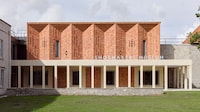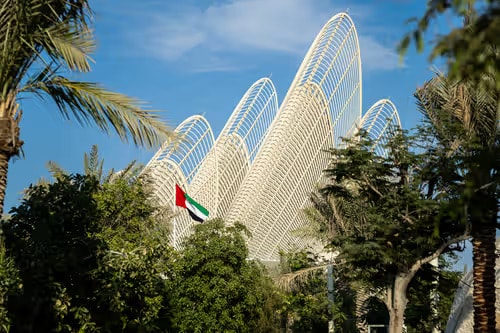
The Zayed National Museum is a national institution located in Abu Dhabi’s Saadiyat Cultural District, designed by Foster + Partners as a landmark dedicated to the history of the United Arab Emirates. The building is defined by five steel towers shaped like falcon wings, which also function as passive ventilation chimneys. Opened to the public on December 3, 2025, the museum was created to honour Sheikh Zayed bin Sultan Al Nahyan and present the country’s cultural and historical development.
The museum includes six permanent galleries that trace more than 300,000 years of human history, alongside temporary exhibition spaces and an outdoor garden route. Displays combine archaeological artefacts, archival material, and interactive installations, including objects such as the Abu Dhabi Pearl and a Bronze Age boat reconstruction. The project forms part of a wider cultural district that includes institutions such as the Louvre Abu Dhabi
Image Credit: Zayed National Museum
Why This Trend Is Growing
- Architecture-as-cultural-signature
- Iconic building forms that embed cultural symbolism and passive systems create opportunities for structures to act as both identity markers and programmable exhibition platforms tied to environmental performance.
- Interactive-heritage Narratives
- Combining archaeological artefacts with immersive, interactive installations enables narratives that adapt to visitor data and extend storytelling beyond static displays into personalized learning experiences.
- Cultural-district Ecosystems
- Clusters of complementary institutions within a dedicated district foster cross-institution programming and shared infrastructure models that shift value from single museums to integrated visitor ecosystems.
Industries Being Reshaped
- Cultural Tourism
- Growing interest in landmark museums and curated districts is reshaping destination economics by prioritizing experience-led travel and longer, multi-site itineraries.
- Museum Technology
- Demand for interactive installations and archival digitization is catalyzing platforms that merge artifact preservation with real-time engagement and analytics.
- Urban Planning and Real Estate
- Investment in cultural districts is influencing land use and mixed-use development models where cultural assets act as anchors for broader regeneration and commercial ecosystems.