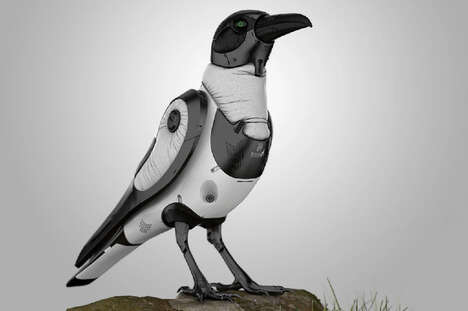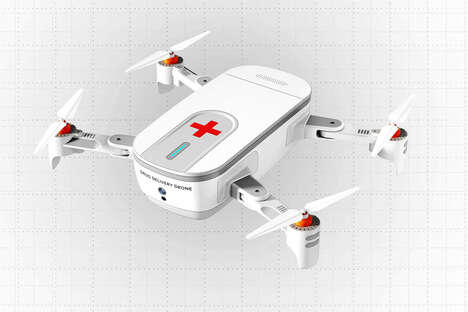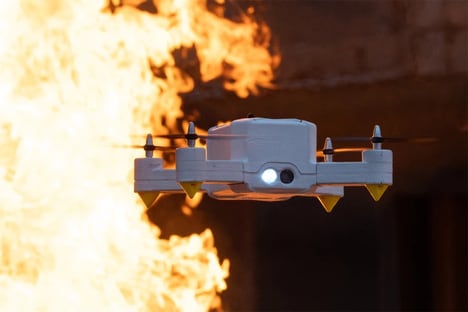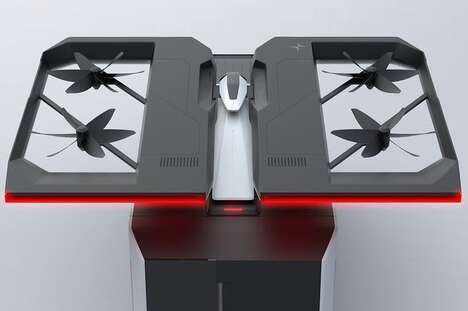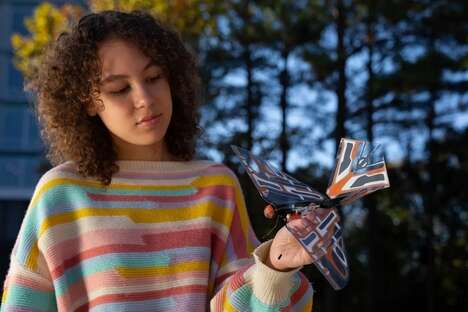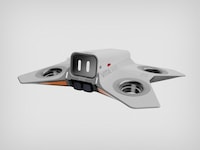
The conceptual WildLife Drone is a piece of technology for use amongst wildlife rescue and preservation professionals to support their need to interact with animals in a more noninvasive manner.
The drone works by being used for. injection, blood collection or observation needs amongst professionals, which can be performed in a less invasive manner. This could eliminate the need for a large team and also cause less stress to the animal by not having humans get too close or interact with them.
The conceptual WildLife Drone is the design work of LuHeng, Bao Liyuan ,Young Hwan Pan, Zhai Weiming, XuLe, ZhaoJian, Zhu Qiming, Liao Pengcheng, ChenXin, Qin Zhicong and Qing Qihao, and is the winner of the European Product Design Award 2020 in the gadget category.
What's Driving This Trend
- Noninvasive Wildlife Interaction
- Using drone technology in the wildlife rescue and preservation industry could disrupt traditional, invasive methods of animal interaction such as injections or blood collection.
- Efficient Team Management
- The use of a drone for certain tasks could reduce the need for a large team, increasing efficiency in the wildlife rescue and preservation industry.
- Reduced Animal Stress
- Limiting direct human contact with animals through drone interaction could minimize stress and improve overall animal welfare in the wildlife rescue and preservation industry.
Who This Affects Most
- Wildlife Rescue and Preservation
- The use of drones in wildlife rescue and preservation presents an opportunity for innovation in the industry, potentially disrupting traditional methods of animal interaction.
- Drone Technology
- The development of specialized drones for wildlife rescue and preservation opens up opportunities for disruption and innovation in the drone technology industry.
- Product Design
- The WildLife Drone concept won the European Product Design Award 2020, showcasing the potential for innovative product design in the wildlife rescue and preservation industry.