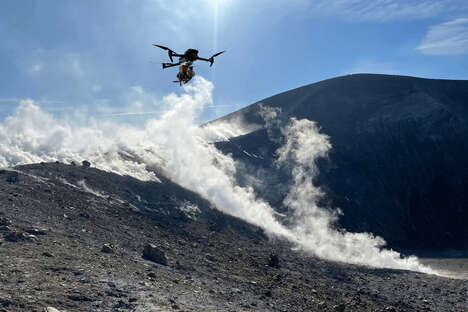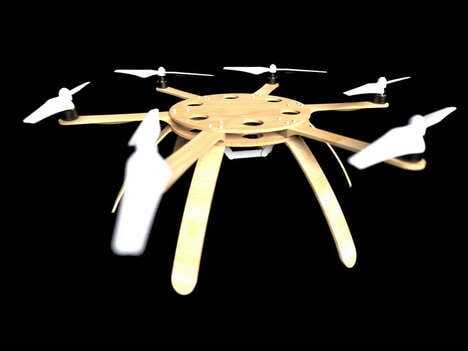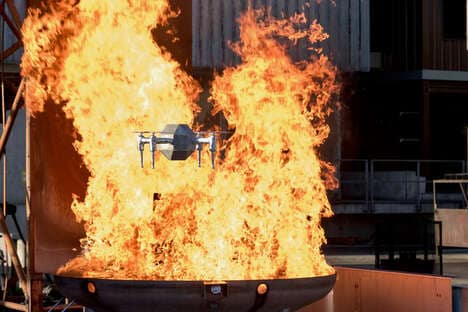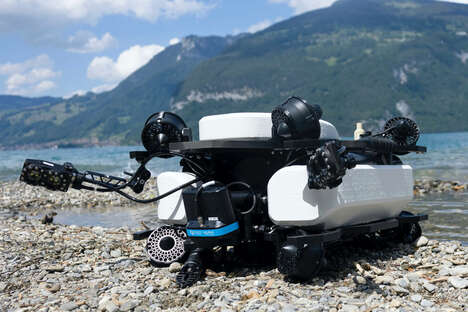
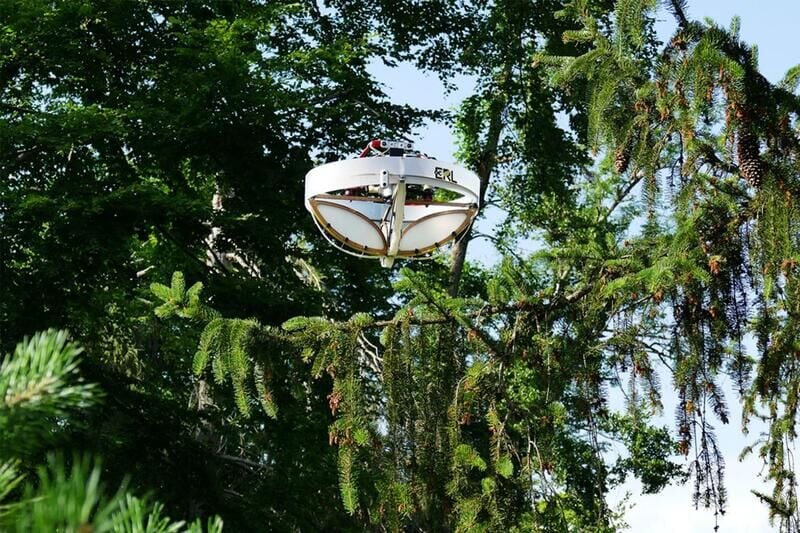
The 'eDrone' is a scientific piece of equipment being developed to help gain better insights into the surrounding landscape to determine animal populations and more.
The drone works by utilizing a series of sensors and a depth-sending camera to autonomously target the branch on a tree to harvest any genetic material that could be present. The drone has already gone to work in several test flights on a total of seven trees where 21 different eDNA organisms were observed. The drone is now being prepared for a competition where it must detect as many species as possible within a 100-acre region in 24-hours.
The 'eDrone' is being developed by the ETH Zurich research institute, The Swiss Federal Institute for Forest, Snow and Landscape Research WSL, and eDNA company Spygen.
Image Credit: ETH Zurich
What Makes This Trend Stand Out
- Edna Detection Drones
- The development of eDNA detection drones presents an opportunity for researchers to obtain more accurate and efficient data on animal populations and environmental health.
- Autonomous Scientific Equipment
- The use of sensors and depth-sending cameras in autonomous scientific equipment provides opportunities for more precise data collection in various industries.
- AI-assisted Environmental Research
- The integration of artificial intelligence in environmental research can help researchers analyze and interpret large amounts of data faster and more accurately.
Sectors Adopting This
- Environmental Research
- The development of eDNA detection drones and autonomous scientific equipment can improve data collection and analysis in environmental research.
- Wildlife Conservation
- EDNA detection drones offer opportunities for more efficient and non-invasive species identification in wildlife conservation and management.
- Forestry
- The use of eDNA detection drones in forestry management can help assess tree health and predict potential disease outbreaks before they occur.