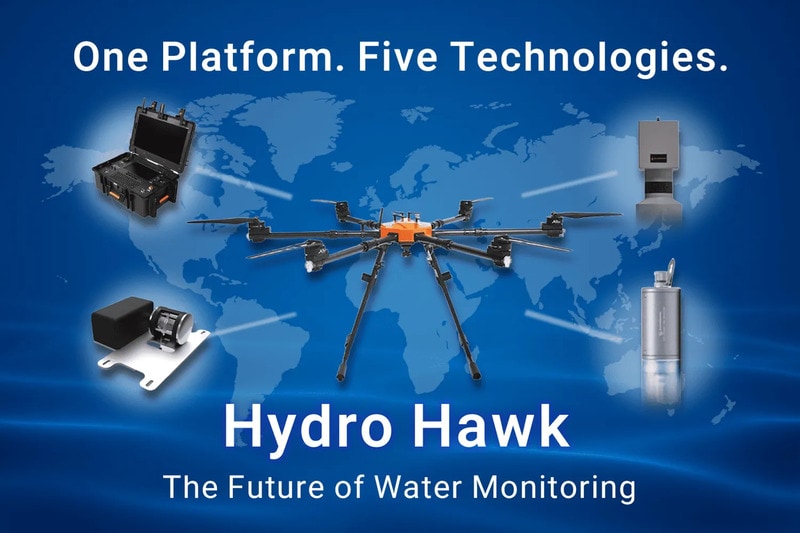
Hydro Hawk redefines water quality monitoring by replacing slow, risky, manual sampling with fast, real-time aerial intelligence.
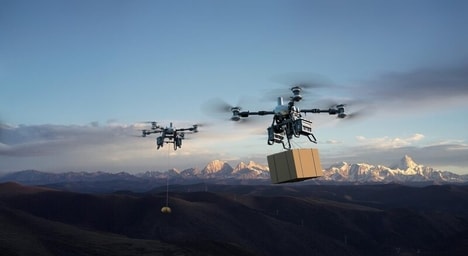
Environmental agencies, utilities, and operators need accurate water data, but traditional sampling requires boats, long travel, hazardous access, and delayed lab results. These inefficiencies waste hours, inflate costs, expose teams to danger, and delay critical decisions—often when water conditions are changing fastest. Hydro Hawk is well-suited for remote and high-risk sites in a data-driven world because it brings the lab to the water. Its 5G-enabled drone collects up to four liters at precise depths, analyzes key indicators instantly, and transmits fully traceable data in real time, cutting time and cost by over 60% and setting a smarter, safer standard for water management.
Hydro Hawk is a CES 2026 Best of Innovation Awards Honoree in Smart Communities.
What's Driving This Trend
- Aerial Water Monitoring
- The deployment of drones for water sampling transforms traditional methods by providing rapid, real-time data collection and analysis.
- Real-time Environmental Data
- The integration of 5G technology in drones enables instant transmission of water quality metrics, allowing for immediate decision-making based on current environmental conditions.
- Smart Monitoring Solutions
- Utilizing automated drone systems for environmental monitoring reduces the need for manual labor and enhances safety by eliminating human exposure to hazardous conditions.
Who This Affects Most
- Environmental Protection
- Innovative water sampling drones can significantly enhance the capabilities of environmental monitoring agencies to provide rapid, accurate data from previously hard-to-access locations.
- Utilities Management
- Water utilities stand to benefit from drones that reduce operational costs and improve response times by streamlining the data collection process in water quality management.
- Remote Sensing Technology
- The advancement of drone capabilities with real-time data analytics presents new opportunities for the growth of industries focused on remote sensing and environmental data collection technologies.