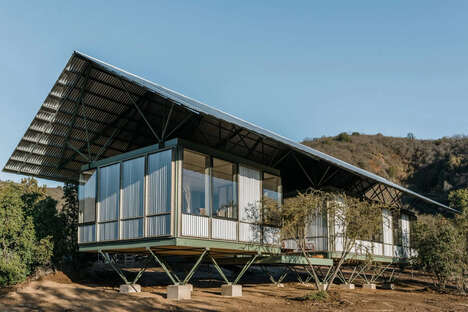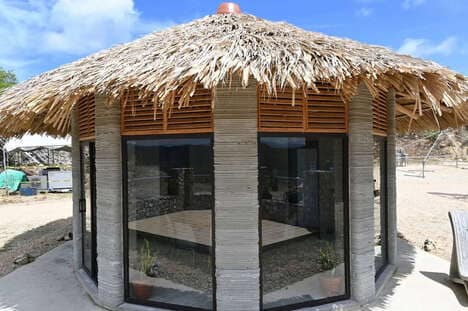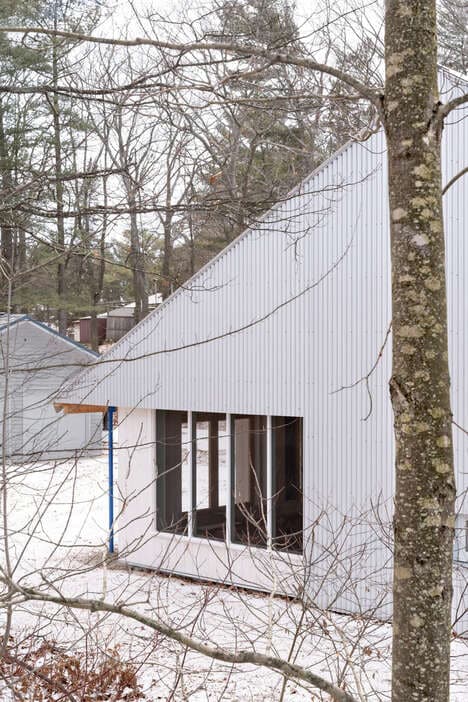


Imagine ordering the customized parts for a house, piecing together their lightweight components and erecting the entire frame; this is the basis of WikiHome.
Borrowing the Hawaiian prefix for "quick," the WikiHome brings the evolving open-source philosophy to architecture, a field typically dominated by professional contractors. Simply select a principle design from hundreds of options, "print" the wood frames using a CNC wood cutter and bolt the pieces together. It gets even better: For the brave, Google Sketchup offers the tools to fabricate your own dream house!
Although it's a step away from the entirely 3D-printed homes, the WikiHome makes the hardest part of construction a three-step process. I, for one, know that I won't settle for a cookie cutter house. If the technology hasn't progressed by the time I buy my first permanent residence, I'll settle for a WikiHome.
Why This Trend Is Growing
- Open-source Architecture
- WikiHome brings the open-source philosophy to architecture, creating disruptive innovation opportunities for affordable, customizable housing.
- DIY Homebuilding
- Using WikiHome's principle designs and CNC wood cutter technology, people can take on the challenge of constructing their own homes, creating disruptive innovation opportunities for the construction industry.
- Customized House Design
- Google Sketchup tools allow for fabricating dream homes with the WikiHome frame, creating disruptive innovation opportunities for architecture and home design industries.
Industries Being Reshaped
- Architecture
- The WikiHome concept and CNC wood cutting technology provide opportunities for housing affordability and customization, potentially disrupting the traditional architecture industry.
- Construction
- The WikiHome DIY approach to homebuilding may disrupt the professional contracting industry.
- Home Design
- WikiHome and Google Sketchup offer a new approach to home design which could disrupt the traditional home design industry.