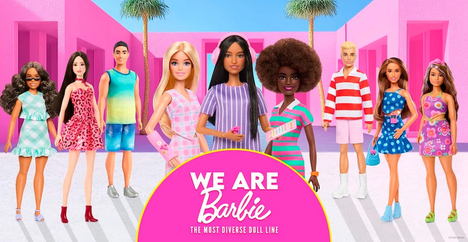
Although 'Who is Barbie' it isn't a question many people find themselves asking, it's definitely an important one for a few reasons. First of all, the identity of Barbie can shape the way many children view themselves. One of the original idols of childhood, having an individual personality can help girls and boys form their own. Secondly, 'Who is Barbie,' opens up a realm of possibilities imagination-wise, which is also hugely important for a child's development.
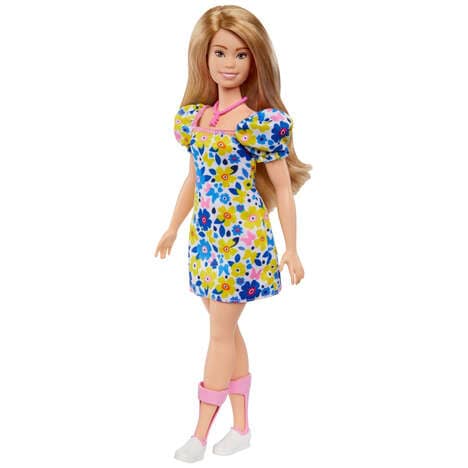
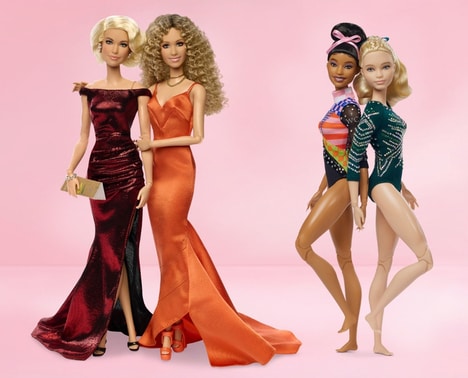
The campaign ushers in a new 23 doll collection that addresses this and more. It allows children to embrace their own self-expression through the different dolls available. Barbie's SVP-global brand general manager, Evelyn Mazzocco says, "Barbie has always been a reflection of the style of the decade, but also of the culture and fashion that's happening in the world. ['Super Style'] is really about who you are. And, fashion is the vehicle for expressing who you are."
Why This Trend Is Growing
- Self-expression Through Dolls
- The 'Who is Barbie' campaign encourages children to express their individuality through a new doll collection.
- Identity-shaping Toys
- Understanding 'Who is Barbie' helps children develop their own personalities and self-perceptions.
- Imagination-driven Play
- The campaign sparks imaginative play by introducing a diverse range of dolls with different personalities and styles.
Industries Being Reshaped
- Toy Manufacturing
- The doll collection presents an opportunity for toy manufacturers to create individualistic dolls that promote self-expression.
- Fashion Industry
- The campaign's emphasis on fashion as a vehicle for self-expression creates potential for collaborations with fashion brands and designers.
- Child Development
- Child development professionals can leverage the concept of 'Who is Barbie' to create educational tools and resources that facilitate identity exploration.