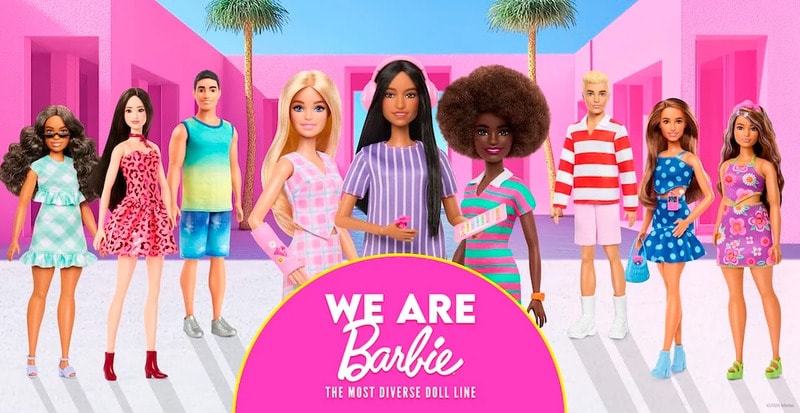
Mattel has launched its first autistic Barbie doll as part of the Barbie Fashionistas range, aiming to broaden neurodiversity representation in play. The doll was developed over more than 18 months in collaboration with the Autistic Self Advocacy Network to reflect how some autistic people experience and interact with the world. Designers incorporated subtle features such as slightly averted eye gaze and articulated elbows and wrists to acknowledge gestures like stimming that many autistic children use for sensory regulation or expression.
The autistic Barbie comes with accessories designed around sensory needs, including noise-canceling headphones to reduce auditory overload, a finger-clip fidget spinner, and a tablet with symbol-based communication aids. Her outfit consists of a loose-fitting dress and flat shoes chosen for comfort and ease of movement. The release builds on Mattel’s ongoing inclusivity efforts, which recently added dolls with visible and non-visible disabilities such as Down syndrome, blindness, prosthetic limbs, and type 1 diabetes.
Image Credit: Mattel
Key Themes Behind This Trend
- Neurodiverse Toy Design
- The rise of toys specifically designed for children with neurodiverse needs emphasizes a shift towards more inclusive and representative play experiences.
- Sensory-driven Accessories
- Toys incorporating sensory-friendly features like noise-canceling headphones and fidget items point to a growing market for products that support diverse sensory experiences.
- Collaborative Development
- Partnering with advocacy organizations to authentically address representation highlights a trend of collaborative product innovation in the toy industry.
Where This Applies
- Toy Manufacturing
- The toy sector is evolving to create products that cater to a broader audience by integrating features addressing both visible and non-visible disabilities.
- Assistive Technology
- There is potential for growth in assistive technology by adapting tools like symbol-based communication aids for use in educational and recreational toys.
- Inclusive Fashion
- Fashion elements in toys that emphasize comfort and usability can inspire the broader fashion industry to prioritize accessibility in design.