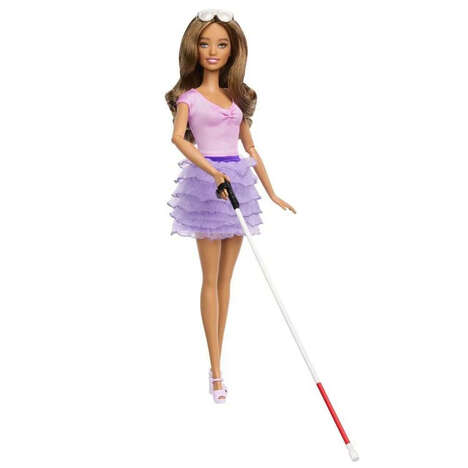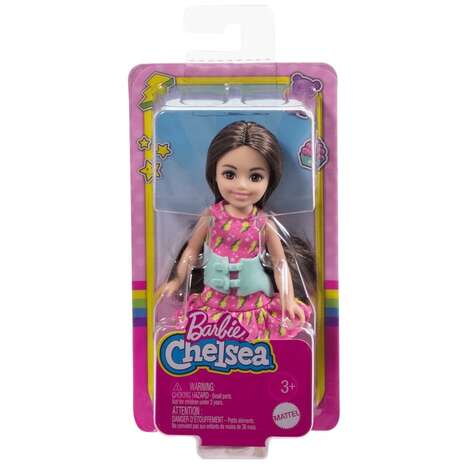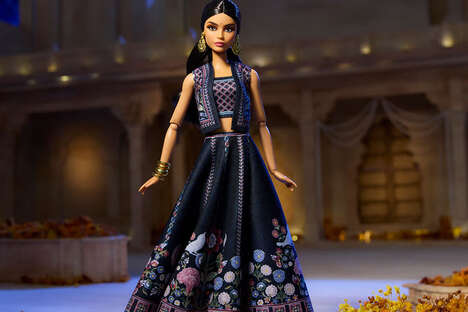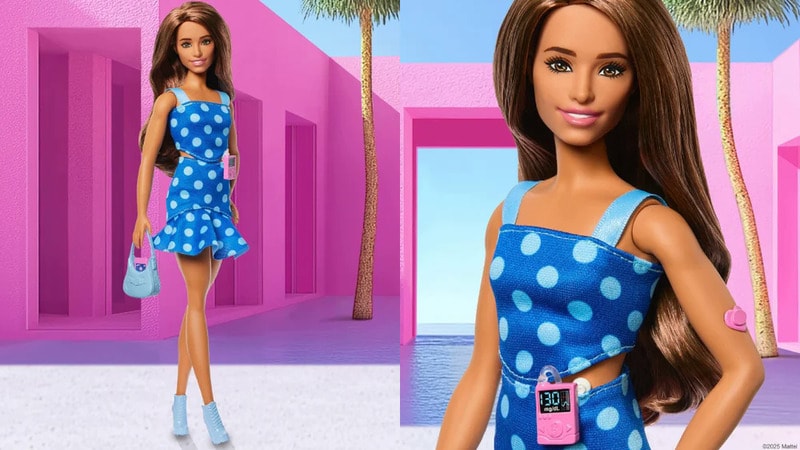
Mattel unveils a new Barbie doll with type 1 diabetes as an effort to become even more inclusive. The doll comes with an insulin pump and CGM. This launch is designed in a way that reflects true lived experiences of kids who live with this every day. She wears a blue outfit with polka dot accents -- this is a symbol of diabetes awareness.
Other details include the small purse she carries, which implies that it holds essentials, including snacks and glucose tabs. The glucose monitor is a special accessory with a pink heart-shaped CGM patch to join. There is also a matching smartphone display that unveils a blood sugar monitoring app -- these all come together to reflect the real-life tools used daily.
Image Credit: Barbie, Mattel, Breakthrough TID
What Makes This Trend Stand Out
- Inclusive Toy Design
- This trend focuses on creating toys that reflect diverse experiences, such as including health-related tools in dolls to mirror real-life conditions.
- Health-integrated Play
- Playtime becomes a space for health education as toys incorporate medical devices like insulin pumps to raise awareness and understanding among children.
- Empathy-building Products
- Products that emulate real-life challenges foster empathy by allowing all children to understand and share the perspectives of peers with conditions like diabetes.
Sectors Adopting This
- Toy Manufacturing
- Toy manufacturers can innovate by introducing more inclusive and educational products that represent diverse lifestyles and medical conditions.
- Health Education
- The intersection of play and health education offers companies in the health industry a novel avenue to promote awareness among younger audiences.
- Digital Health Technology
- The integration of digital health interfaces into everyday objects suggests a growing area for digital health companies to collaborate with consumer brands.