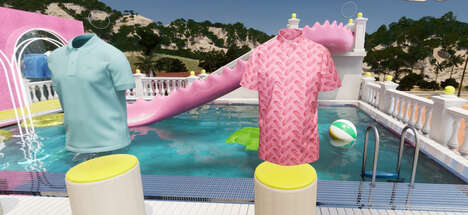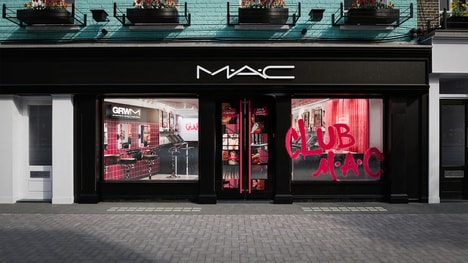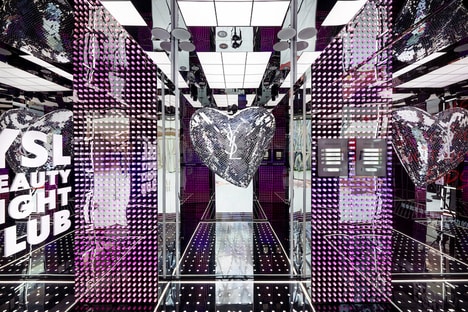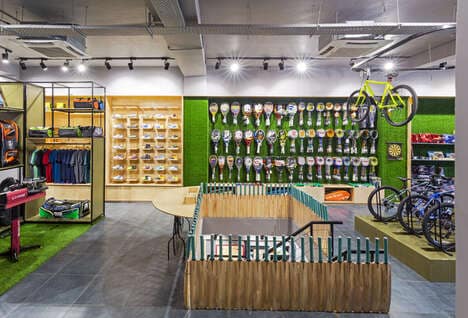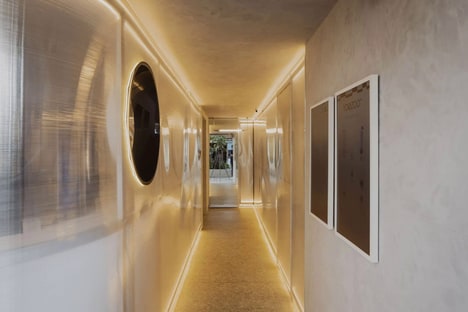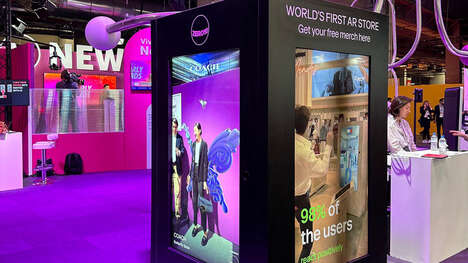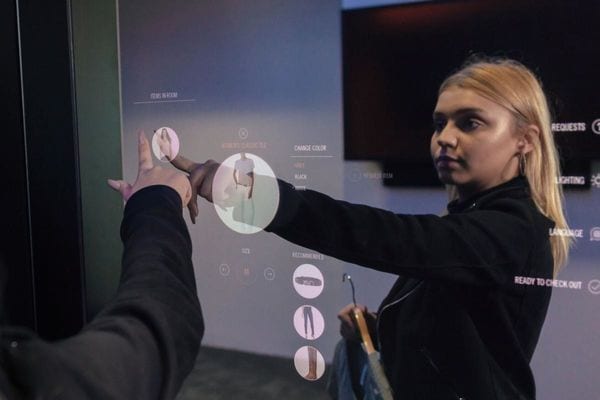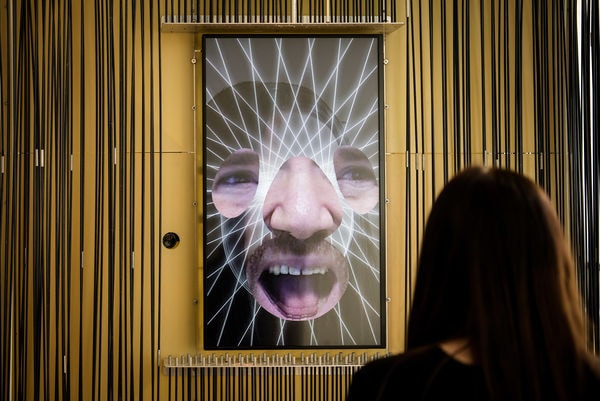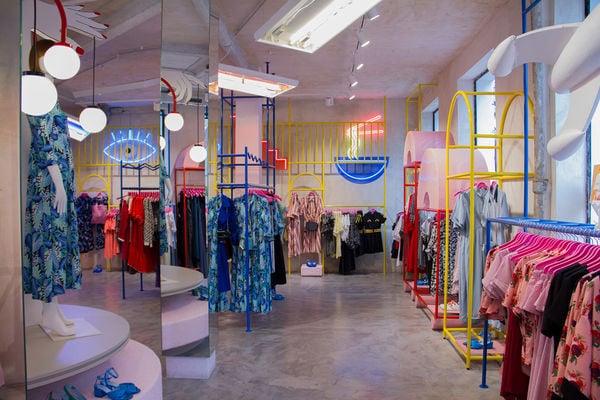
The WTF (What-The-Forest) Club retail space designed by B U G Studio in Bangkok, Thailand is described as an "Instagrammer’s playground," as it boasts highly photographic design details and tons of technology to interact with.
The colorful retail space at The Mall Department Store includes a mirrored 'Crazy Maze' that takes inspiration from a fun summer camp experience, as well as the opportunity for visitors to go "AR Clubbing" by putting on one of the provided virtual reality headsets. The summer-inspired space aims to provide shoppers with a rich sensory experience, with the Summer Club that recreates a nighttime party experience in the day with DJs, a fun atmosphere, mocktails and refreshing desserts.
Image Credit: Wison Tungthunya
What's Driving This Trend
- Interactive Retail Spaces
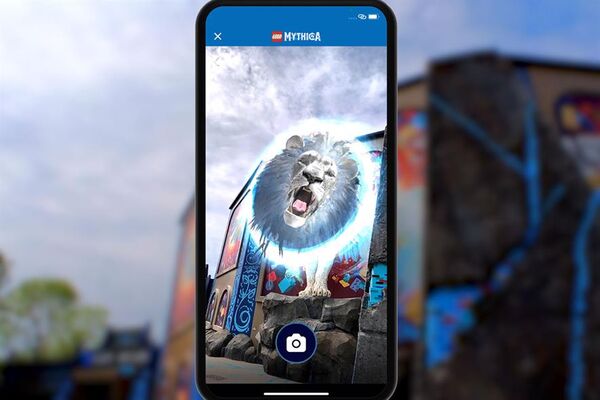
- The use of AR technology and sensory experiences in retail spaces engages shoppers on multiple levels, and opens up possibilities for further immersion via technology.
- Retailtainment
- Creating immersive retail spaces that blur the line between shopping and entertainment creates a unique experience that can attract more foot traffic and increase customer loyalty.
- Social Media-friendly Spaces
- Designing spaces that are highly photogenic and sharable on social media can increase brand awareness and free advertising.
Who This Affects Most
- Retail Industry
- By creating interactive and immersive retail environments, retailers can provide customers with a unique shopping experience and increase loyalty and foot traffic.
- Entertainment Industry
- Integrating elements of entertainment into retail spaces, such as music and unique sensory experiences, creates a hybrid industry that can appeal to a wider audience.
- Technology Industry
- By incorporating AR and virtual reality technology into retail spaces, technology companies can create new applications and explore opportunities in the retail industry.