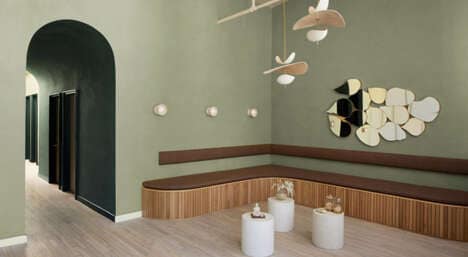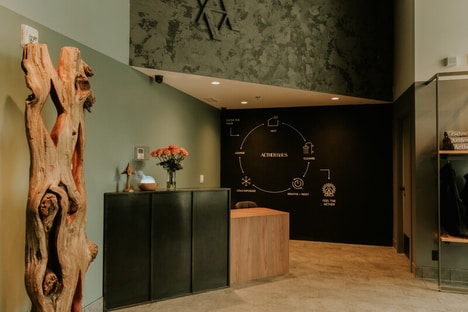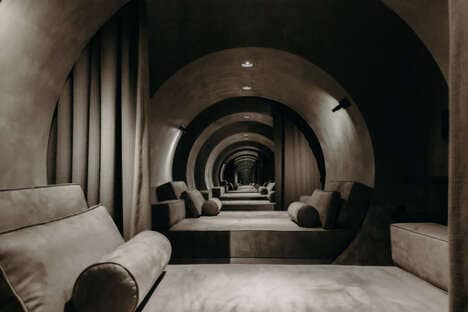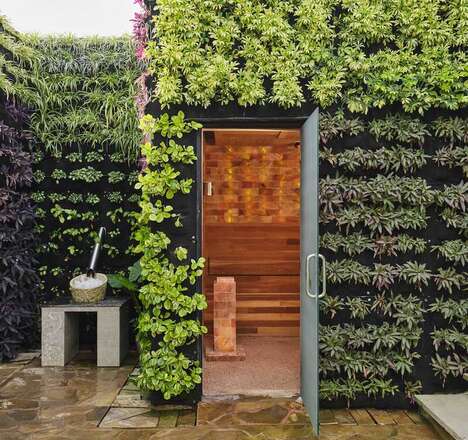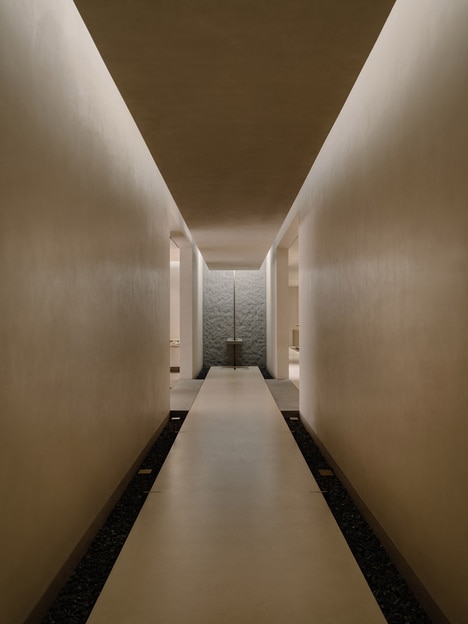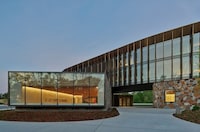
Hābico, a wellness-focused space in Morelia, Mexico, is situated along a street that was transformed by urban renewal. Developed by FMA, a young but rapidly emerging architecture studio, the 165-square-meter facility is designed as a sanctuary for physical and emotional rejuvenation. It blends movement, relaxation, and aesthetic coherence.
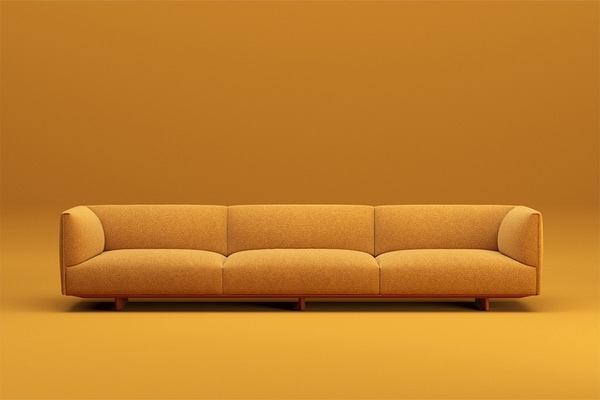
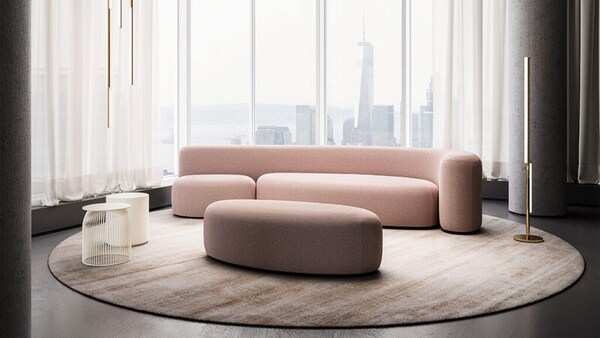
The wellness-focused space design philosophy behind Hābico emphasizes subtlety over extravagance, relying on organic forms, natural materials, and a muted color palette to cultivate serenity. Curved elements mirror the fluidity of human motion and reinforce the connection between body and space. The custom furniture and integrated signage, on the other hand, enhance both usability and visual unity. Lighting plays a crucial role, accentuating textures and shapes to create an atmosphere of warmth and tranquility. This deliberate approach extends beyond mere aesthetics, aiming to provide visitors with an immersive retreat from daily stressors.
Image Credit: Cesar Belio
What Makes This Trend Stand Out
- Immersive Wellness Architecture
- Integrating organic forms and natural materials into architectural design can transform spaces into holistic retreats, enhancing visitor well-being.
- Urban Renewal Revitalization
- The transformation of urban areas through innovative design can create community-centric spaces that bolster social engagement and economic growth.
- Subtle Design Aesthetics
- Prioritizing muted colors and understated design elements can foster environments that promote tranquility and relaxation, appealing to modern consumers seeking respite.
- Community-centric Wellness Spaces
- Designs that integrate community revitalization into wellness spaces can provide dual benefits of individual rejuvenation and neighborhood enhancement.
Sectors Adopting This
- Wellness Architecture
- The fusion of wellness principles with architectural design is reshaping the built environment, creating purpose-driven spaces that promote holistic health.
- Interior Design
- Subtle and minimalist design trends are influencing the interior design industry, catering to a growing demand for spaces that nurture mental and emotional well-being.
- Urban Planning
- Urban planning is increasingly incorporating wellness-focused spaces to improve the quality of life in densely populated areas, responding to a desire for healthier urban living.