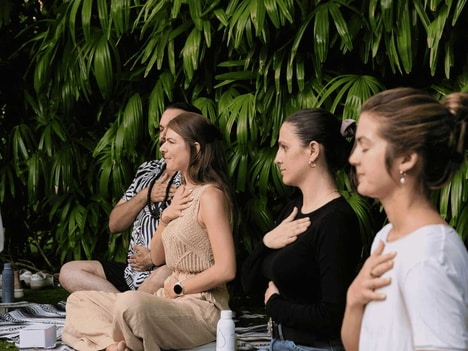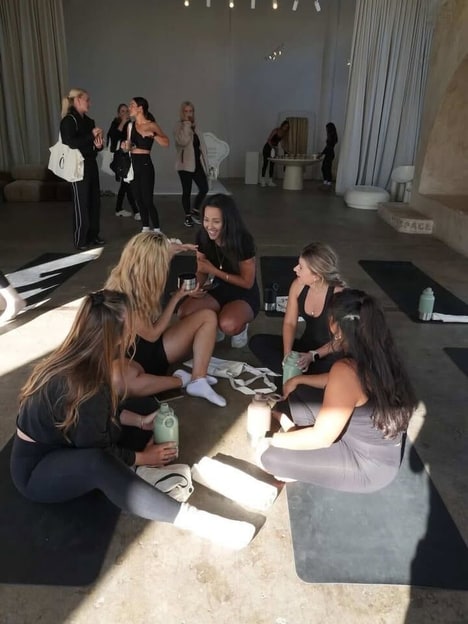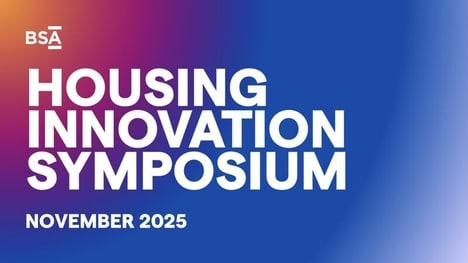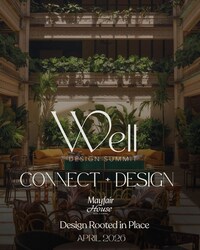
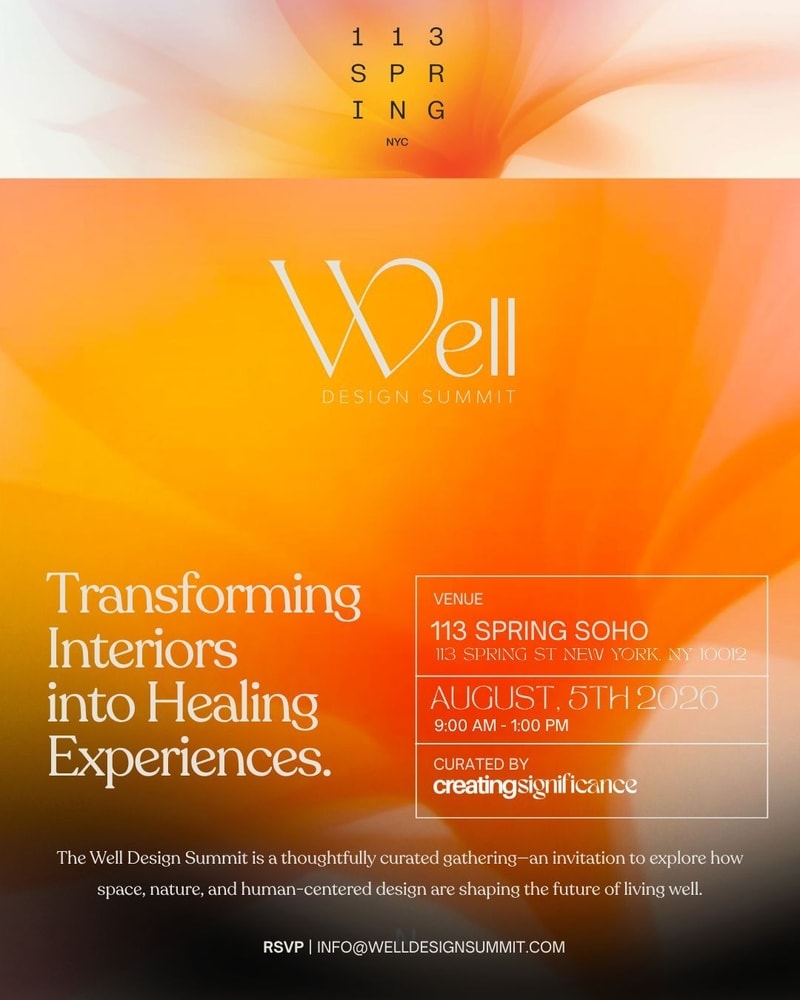
The Well Design Summit has launched a Soho experiential series, which is scheduled to occur on August 5th at 113 Spring in New York City. This activation follows the debut of The Well Design Summit’s VIP industry forum held at Mayfair House in Miami earlier this year.
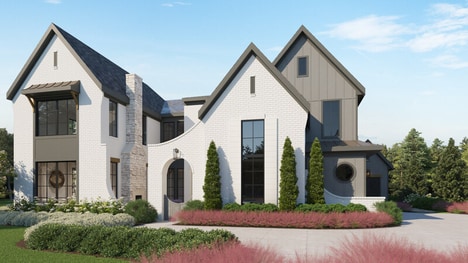
The upcoming Soho experiential series will focus on the theme of ‘Wellness As Infrastructure.’ This gathering brings together leading architectural and design firms — including Corcoran Sunshine, Snohetta, Umo Paris, and BoND New York Architecture — to explore how homes, buildings, and neighborhoods are increasingly being curated not merely as physical spaces but as active participants in shaping identity, health, and emotional states through intentional design elements such as nature, light, materiality, and sensory experiences.
All in all, this summit and the broader well design movement are compelling because they reflect a fundamental shift in how people view their living and working environments. Consumers are moving beyond aesthetics to consider how spaces can actively contribute to mental clarity, physical recovery, and long-term longevity.
Image Credit: Well Design Summit
What Makes This Trend Stand Out
- Wellness-centered Architecture
- Buildings designed around light, nature, air quality, acoustics, and materiality create new value propositions around measurable health outcomes and emotional well-being.
- Sensory Space Design
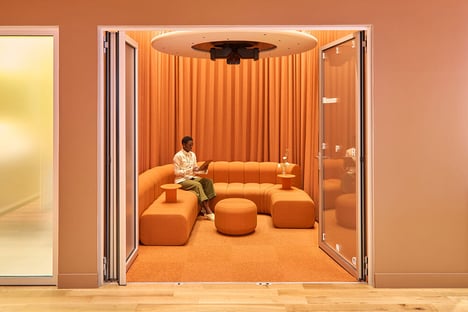
- Immersive environments that shape mood through texture, scent, sound, and visual cues point to differentiated experiences in residential, hospitality, and workplace settings.
- Longevity-focused Living
- Homes and neighborhoods positioned as active contributors to recovery, clarity, and long-term vitality reveal a growing market for health-integrated real estate.
Sectors Adopting This
- Real Estate
- Developments that embed wellness infrastructure into homes, buildings, and communities expand the competitive meaning of premium property beyond location and aesthetics.
- Architecture and Design
- Design firms specializing in human-centered environments are increasingly positioned to define how physical spaces influence identity, productivity, and health.
- Health and Wellness
- Wellness brands connected to built environments gain new pathways into everyday life as health support becomes integrated into where people live, work, and gather.