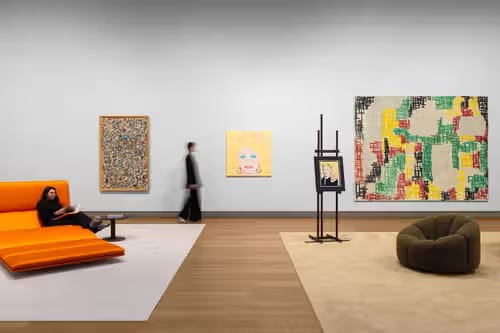
Soho House Tokyo introduces a members’ club set across four floors in the Aoyama district near Omotesando, marking the brand’s first location in Japan. The space includes club areas, dining rooms, event spaces, a wellness studio, rooftop pool, and 42 guest bedrooms. Interiors incorporate materials such as washi paper walls, lacquer panels, timber flooring, and mosaic surfaces, combining handcrafted Japanese elements with vintage European furniture and custom-designed pieces.
Soho House’s Tokyo location features multiple zones, including lounges, coworking areas, bars, and a music room, arranged across the upper levels. The rooftop terrace includes a tiled pool with city views, while interiors integrate details such as tatami-inspired patterns, Murano-style lighting, and kimono-derived textiles. The project applies a layered approach to material and spatial design across public and private areas within the building.
Image Credit: Soho House
What's Driving This Trend
- Localized Luxury Craftsmanship
- A fusion of traditional Japanese materials and bespoke European furniture points to new models where artisanal supply chains and place-specific craftsmanship redefine premium hospitality aesthetics.
- Hybrid Social-work Environments
- Multiple zones combining lounges, coworking areas, dining, and event spaces indicate shifting expectations for venues that blend professional productivity with social and leisure functions.
- Layered Multicultural Interiors
- The layering of tatami-inspired patterns, Murano-style lighting, and kimono-derived textiles suggests opportunities for design languages that mix cultural references to create distinct, narrative-driven spaces.
Who This Affects Most
- Hospitality
- Members-only models with integrated wellness, rooftop amenities, and limited guest rooms reveal pathways for differentiated lodging experiences that compete on curated community and localized design.
- Interior Design and Architecture
- Projects that combine handcrafted materials, custom pieces, and vintage furnishings highlight potential shifts toward collaborative practices between designers and traditional artisans for high-value, site-specific builds.
- Wellness and Lifestyle Clubs
- Incorporating studios, pools, and social programming within a members’ setting underscores evolving consumer demand for integrated wellbeing offerings tied to social status and experiential consumption.