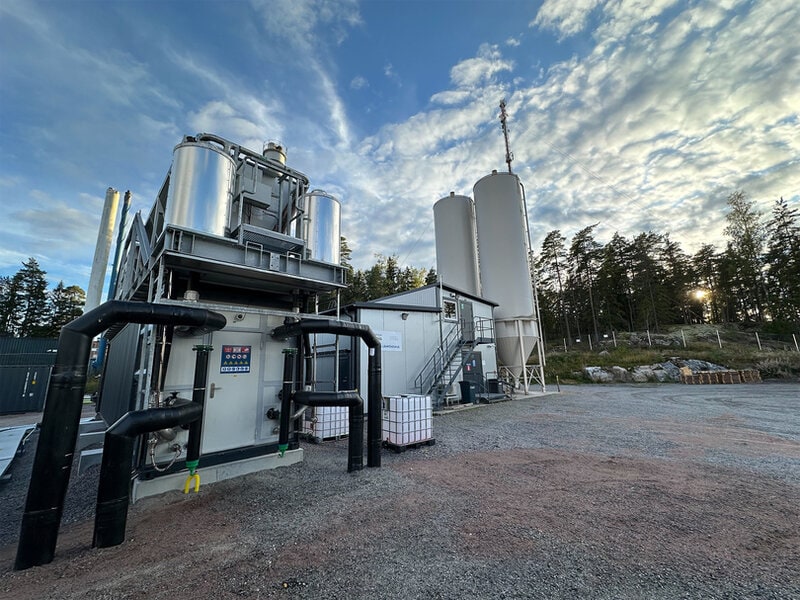
Vienna-based OnZero is building its 'AI Heat Factory' with Helsinki utility Helen to repurpose heat from AI servers for home heating rather than venting it. The setup lets the city draw warmth from computing loads, giving the data center a second product alongside cloud and AI capacity.
Expected to start in 2027, the plant could provide 525,000 megawatt-hours of heat each year, enough for about 70,000 apartments. Liquid-cooled servers discharge warm water, and industrial heat pumps raise its temperature to 95 degrees Celsius before it enters Helsinki's district network.
For providers, this creates a clearer business case for facilities that sell both computing space and usable heat. Utilities looking to replace combustion-based heating gain another electric option, while data center developers have more reason to treat waste heat as an asset rather than an exhaust problem.
Image Credit: Forbes
What's Driving This Trend
- Circular Compute Infrastructure
- Data centers gain new revenue logic when server heat becomes a sellable thermal output, creating openings for facilities designed around dual-purpose digital and energy services.
- District-scale Heat Recovery
- Urban heating networks can integrate high-temperature recovered heat from computing loads, reshaping how cities source low-carbon warmth for dense residential areas.
- Liquid-cooled Energy Reuse
- Advanced cooling systems make waste heat easier to capture and upgrade, enabling AI infrastructure to function as part of local energy supply chains.
Who This Affects Most
- Data Centers
- Operators are positioned to differentiate facilities through heat monetization models that pair AI capacity with utility-grade thermal delivery.
- Utilities
- Electric heat sourced from computing facilities introduces an alternative to combustion-based district heating, expanding utility portfolios around recovered energy.
- Real Estate
- Residential developers and property managers benefit from nearby low-carbon heat sources that can support decarbonized building operations at neighborhood scale.