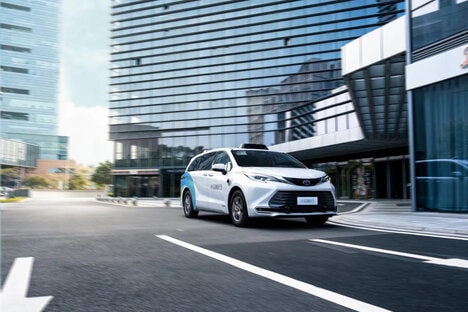
Commercial driverless robotaxis are expanding as Pony.ai and Toyota introduce their seventh-generation bZ4X Robotaxi into passenger service in Guangzhou, China. The vehicle combines Pony.ai's Level 4 autonomous driving system with Toyota's manufacturing expertise, enabling fully driverless transportation supported by advanced safety engineering.
Passengers can access the service around the clock through PonyPilot, WeChat, and Alipay. The electric robotaxi features Bluetooth unlocking, voice assistance, entertainment options, and customizable climate settings. Improvements to its driving system provide smoother vehicle movements, while built-in backup capabilities support reliable operation. The companies are preparing to deploy approximately 1,000 vehicles across major Chinese cities.
For Pony.ai, expanding its commercial fleet could improve ride availability and operational efficiency. Toyota's maintenance infrastructure may help support larger deployments through coordinated servicing and charging. The partnership also creates opportunities to scale autonomous transportation while meeting growing demand for everyday mobility.
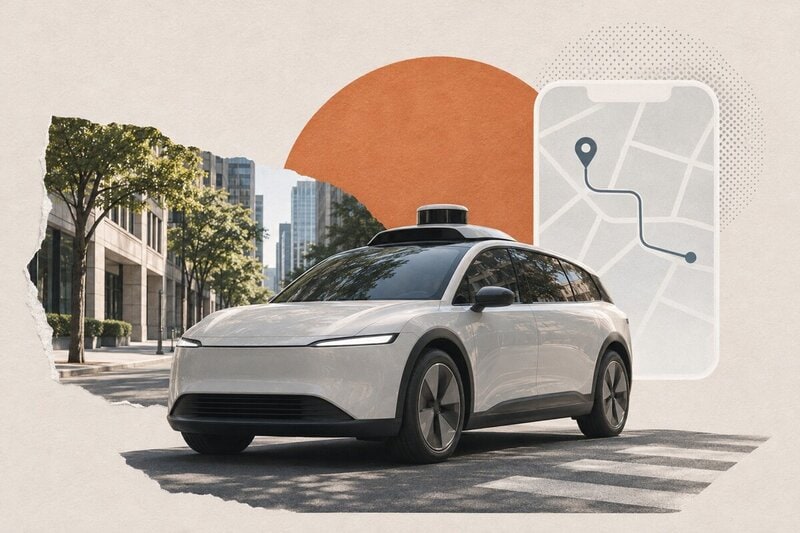
Image Credit: AI-generated
Why This Trend Is Growing
- Autonomous Urban Mobility
- Fully driverless ride services are reshaping city transportation by combining Level 4 autonomy, electric platforms, and app-based access into scalable mobility networks.
- In-vehicle Experience Personalization
- Passenger-facing features such as voice assistance, entertainment, Bluetooth entry, and climate customization create new value layers within autonomous transportation services.
- Fleet-scale Robotaxi Operations
- Large commercial deployments supported by maintenance, charging, and backup systems signal a shift toward managed autonomous fleets as everyday transit infrastructure.
Industries Being Reshaped
- Automotive Manufacturing
- Automakers can extend their role beyond vehicle production by integrating autonomous systems, safety engineering, and long-term fleet servicing capabilities.
- Ride-hailing Services
- Platform-based mobility providers face new competitive dynamics as driverless vehicles reduce reliance on human drivers and expand around-the-clock service availability.
- Smart City Infrastructure
- Urban mobility ecosystems gain new relevance as autonomous robotaxis require coordinated charging, connectivity, safety monitoring, and regulatory support across dense city environments.