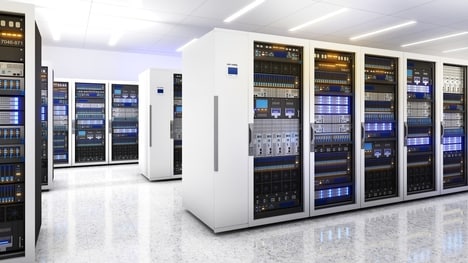
Sustainable data centers are reshaping how large-scale tech infrastructure is developed, as seen in Amazon’s expansion across Mississippi. By incorporating carbon-free energy projects, investing in grid improvements and transitioning to recycled wastewater for cooling, the company is rethinking how data centers operate within local environments. These facilities are no longer just digital hubs but are increasingly designed to minimize resource strain while supporting long-term regional development.
From a business perspective, this approach helps companies align operational growth with environmental and social expectations. Investing in clean energy and infrastructure can reduce long-term costs while strengthening relationships with regulators and local communities. Additionally, integrating data centers into regional economies creates jobs and supports local industries. This reflects a broader shift toward responsible expansion strategies that balance technological scale with sustainability, efficiency and community impact.
Image Credit: Amazon
What's Driving This Trend
- Carbon-free Energy Integration
- Widespread pairing of data centers with dedicated renewable generation and grid upgrades creates potential for virtual power plant models that shift how compute loads are scheduled and monetized.
- Water-reuse Cooling Systems
- Recycling wastewater for thermal management opens avenues for compact, low-water cooling architectures that decouple data center siting from traditional freshwater constraints.
- Community-integrated Infrastructure
- Embedding facilities within regional economic planning fosters dual-use assets that blend computing capacity with grid stabilization and local industrial support services.
Who This Affects Most
- Cloud Services
- Sustainable facility design enables novel service tiers that price compute based on verified carbon and water footprints, altering procurement strategies for enterprise customers.
- Renewable Energy Providers
- Partnerships between generators and hyperscalers create opportunities for long-duration storage and demand-response products tailored to large, flexible loads like data centers.
- Local Construction and Utilities
- Upgrading regional grids and wastewater systems for eco-friendly data centers stimulates demand for modular construction, distributed energy assets, and utility-scale resource management solutions.