Blue Origin announced 'Project Sunrise,' a plan to deploy a satellite constellation as space-based data centers designed to support AI workloads, offering continuous solar access and operating in sun-synchronous orbits.
The company submitted a filing with the FCC on March 19, requesting approval for over 50,000 satellites. The system is designed to complement its existing TeraWave network for high-speed links between space and ground. The filing described circular orbits between 500 and 1,800 km to allow for continuous solar energy collection and to avoid reliance on terrestrial grid and water cooling systems, although it did not specify overall compute capacity.
For consumers and businesses, space-based computing has the potential to reduce environmental impact and provide scalable, geographically adaptable AI infrastructure. 'Project Sunrise' shows growing industry support as companies investigate off-Earth solutions to satisfy increasing AI computing needs.
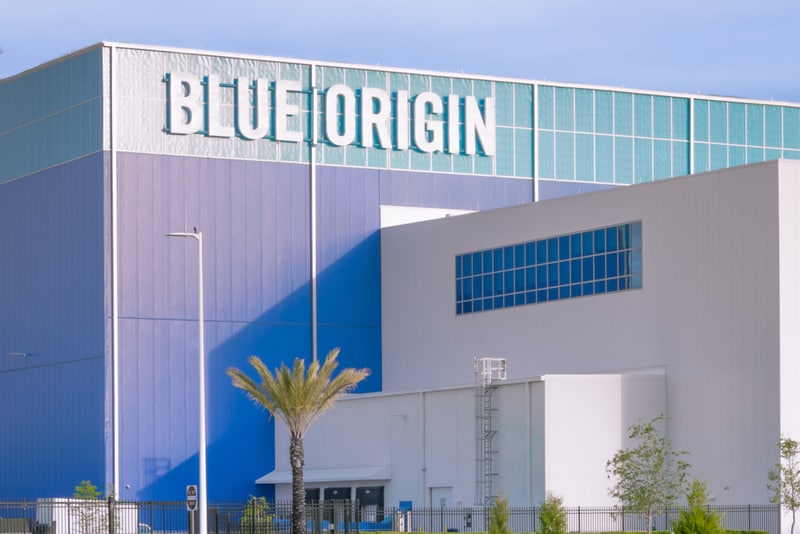
Image Credit: Shutterstock/Thomas Kelley
Key Themes Behind This Trend
- Orbital Data Centers
- A pathway toward relocating hyperscale compute infrastructure off Earth to reduce reliance on terrestrial power and cooling networks.
- Solar-powered Compute
- Significant potential for continuous, renewable energy–backed processing through sun-synchronous orbits that minimize grid dependency.
- Space-ground Network Integration
- An emerging model for tightly coupled satellite and terrestrial links that supports low-latency, geographically adaptable AI workloads.
Where This Applies
- Cloud Infrastructure Providers
- Opportunity to extend service portfolios with off-world compute tiers that offer scalable, low-carbon alternatives to traditional data centers.
- Satellite Manufacturing
- A market for specialized, high-reliability hardware optimized for sustained compute, thermal management, and long-duration solar operation in orbit.
- AI Compute Service Companies
- Potential for novel pricing and deployment models driven by geographically flexible satellite-hosted accelerators tailored to large-scale model training.