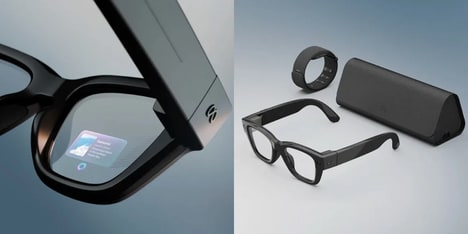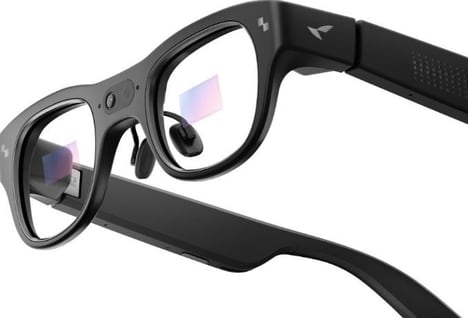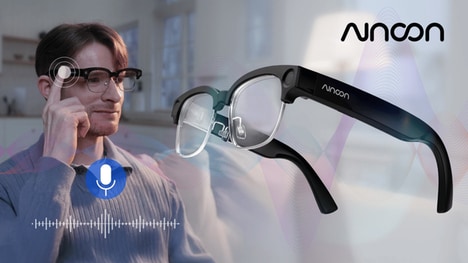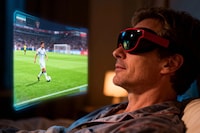

Walmart began selling smart Vue audio glasses, introducing an accessible wearable category to its optical and electronics assortment. The product, offered under the Vue Audio Glasses name, pairs prescription-ready frames with embedded directional speakers and touch controls, featuring Bluetooth connectivity designed to stream music and calls without in-ear buds.
The glasses launched through Walmart stores and online, with the chain positioning them as a fusion of eyewear and personal audio for everyday commuting or at-home use. They include standard frame sizes, rechargeable batteries, and hands-free voice assistant access, and Walmart emphasized value pricing as part of the rollout.
For consumers, the glasses simplify multitasking by combining vision correction and open-ear audio, tapping into a broader trend of mainstream retailers making formerly niche wearables more affordable and convenient.
Image Credit: ACHPF / Shutterstock
Key Themes Behind This Trend
- Mainstream Affordable Wearables
- Retailers introducing budget-friendly smart glasses are shifting formerly niche wearables into mass-market channels, enabling rapid adoption and price-driven volume.
- Open-ear Audio Integration
- Directional speakers built into frames are blending ambient awareness with private audio, creating new user interaction patterns that differ from in-ear models.
- Prescription-ready Smart Eyewear
- Combining vision correction with embedded electronics is fusing medical-grade optics and consumer tech, laying groundwork for deeper health and AR feature integration.
Where This Applies
- Retail
- Big-box and online retailers normalizing smart eyewear sales are transforming distribution and customer expectations for tech purchases in everyday categories.
- Consumer Electronics
- Miniaturized audio, battery, and connectivity components integrated into eyewear are driving opportunities for new form factors and component ecosystems.
- Eyecare-optical
- Optical clinics and prescription labs are encountering demands to merge lens fabrication with electronics assembly, creating intersections between healthcare services and device provisioning.