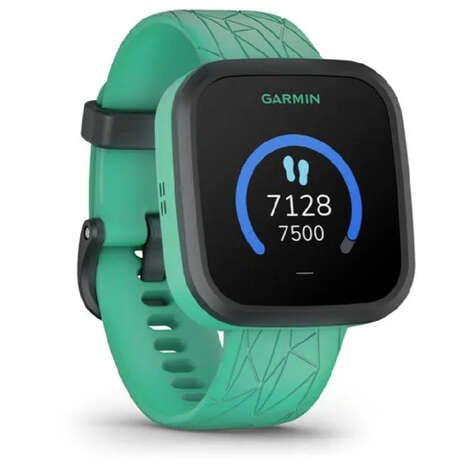
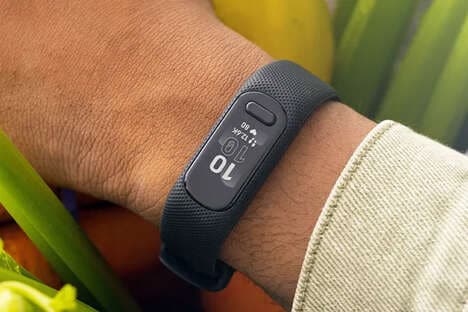
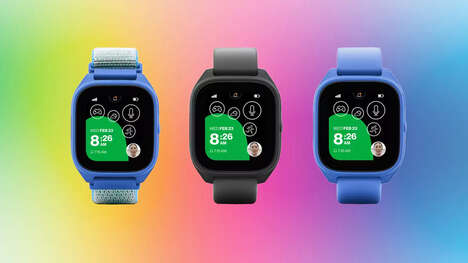
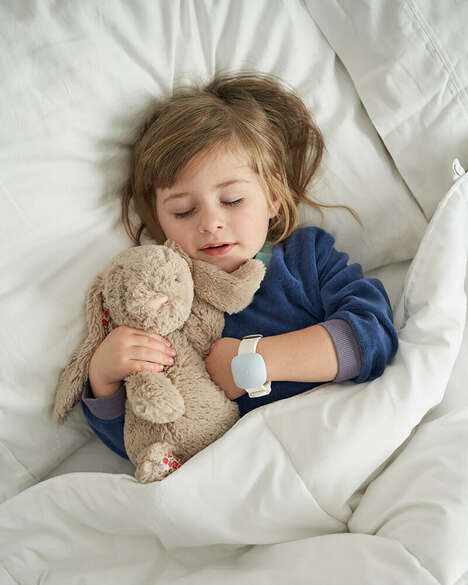
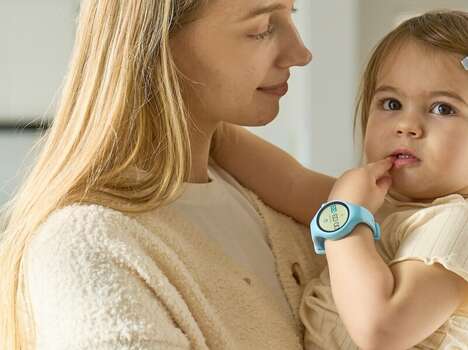
Fitness wearables are common and well-received among adults, but the Vivofit Jr is a fitness wearable for a very different demographic: kids. Considering that many of the appealing aspects of a fitness wearable for adults don't translate to young children, the Vivofit Jr offers many new and unique features.
Compared to other wearables, the Vivofit is relatively low tech. While it still does things like track steps and connect to a free app, the wearable draws far less power than the average device. In fact, it offers over one full year of battery life without needing a charge, so kids never need to think about taking it off.
Perhaps the best part of the kid-friendly device is its reward system. Parents and kids can agree upon rewards for various fitness goals, like taking enough steps per day or getting the recommended 60 minutes of daily activity.
What Makes This Trend Stand Out
- Kid-friendly Wearables
- There is a potential for disrupting the wearables market with cheaper, longer lasting, and more fun wearables designed for kids.
- Gamification of Fitness
- Gamification and the use of rewards systems within fitness may provide for more long-term engagement by users.
- Family-centric Technology
- Creating technology for families that encourages healthy habits and fosters positive relationships may become a growing trend.
Sectors Adopting This
- Fitness Wearables
- Companies that produce fitness wearables may expand their market by creating wearables for kids.
- Children's Toys
- Toy companies could create wearables that promote healthy habits and physical activity.
- Family Apps
- Developing apps centered around family fitness and health could become a popular area for tech startups.