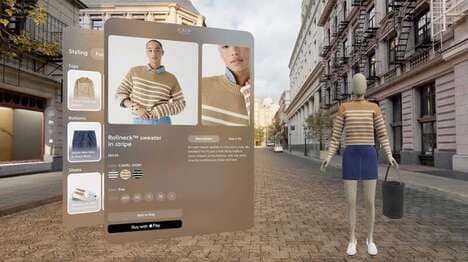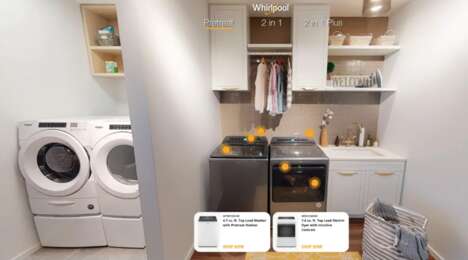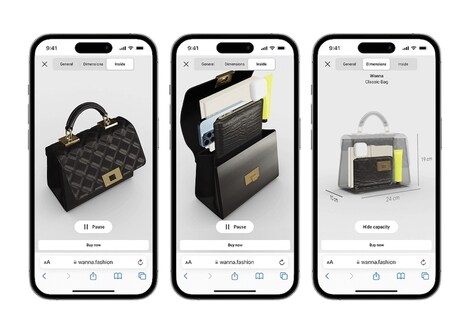

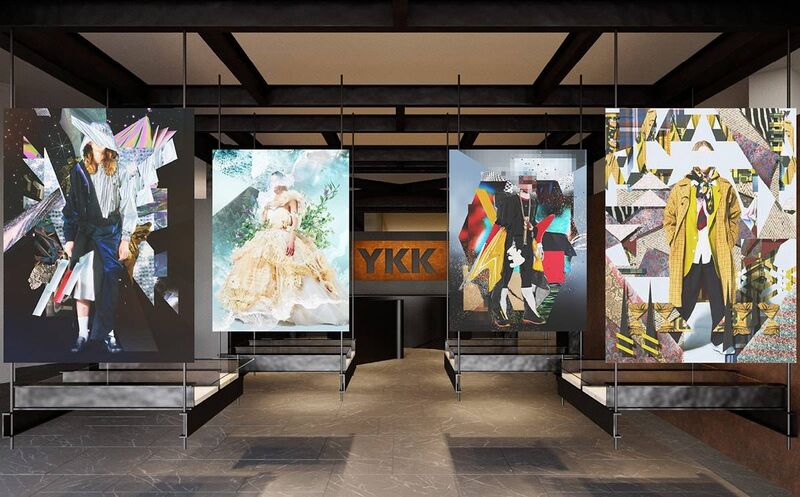
With the aim of connecting with more customers than ever before, zipper and fastening products manufacturer YKK launched a virtual showroom modeled after its brick-and-mortar showroom in London. The YKK Digital Showroom has six floors, each of which supports a different theme from sustainability and automotive to fashion, luggage and backpacks.
On the first floor of the digital space, there's a searchable library of products and a section where customers can check in on what's popular. There's also a meeting space for European and American customers to connect with YKK, as well as a virtual floor that's dedicated to region-specific items from YKK.
The digital showroom is set to become an incubator for innovation, creative design and a destination for webinars, education and more.
What's Driving This Trend
- Virtual Showrooms
- The rise of virtual showrooms presents an opportunity for companies to connect with customers in a digital space and offer innovative features like searchable product libraries.
- Digital Incubators
- Creating digital spaces that incubate innovation, design, webinars and education is an opportunity for companies to develop stronger relationships with customers.
- Region-specific Product Offerings
- Virtual floors dedicated to region-specific items present an opportunity for businesses to cater to different markets and customers in a more targeted way.
Who This Affects Most
- Manufacturing
- Manufacturing companies can utilize virtual showrooms to connect with customers in a digital space and offer innovative features like searchable product libraries.
- Fashion
- Fashion companies can use virtual showrooms to showcase their collections and create new opportunities for webinars, education and design innovation.
- Retail
- Retail companies can utilize virtual showrooms to create unique customer experiences and showcase products in an interactive and engaging way.