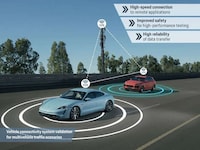

The University of Michigan's self-driving car lab will now be able to operate on the Verizon 5G network. The 5G roll out to the self-driving car lab was the next location to receive 5G capabilities. The Verizon 5G network is being slowly rolled out to different locations.
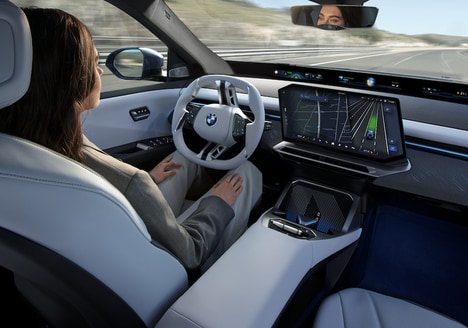
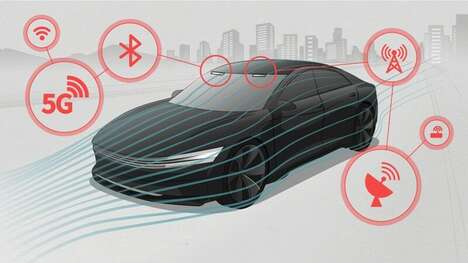
The improved network will feature improved bandwidth and lower levels of lag when compared to other networks. This will help the University of Michigan's self-driving car lab to run its autonomous vehicles. The improved network speed will also help cars as they drive, if the system can operate at higher speed it can detect potential hazards and avoid them faster.
The improved network connection will help the University of Michigan improve its research with autonomous vehicles.
Image Credit: Verizon
What Makes This Trend Stand Out
- Autonomous Research Networks
- Universities and research labs are tapping into the power of 5G networks to boost their autonomous vehicle research capabilities and improve detection and avoidance systems.
- Enhanced Autonomous Car Performance
- Access to 5G networks is enhancing autonomous vehicle performance, enabling faster detection of potential hazards and enabling quicker decision-making to avoid them.
- 5G Network Adoption in Research
- As 5G networks become more widely available, expect to see increased adoption in research environments, enabling improvements in a variety of areas.
Sectors Adopting This
- Academic Research
- Academic institutions and research organizations are leveraging 5G networks to further their research efforts around autonomous vehicles.
- Automotive
- Automakers and suppliers of autonomous vehicle technology are leveraging 5G networks to improve vehicle performance and safety.
- Wireless Networking
- Wireless networking providers such as Verizon are at the forefront of providing 5G network capabilities to research organizations, opening up new opportunities in the field.