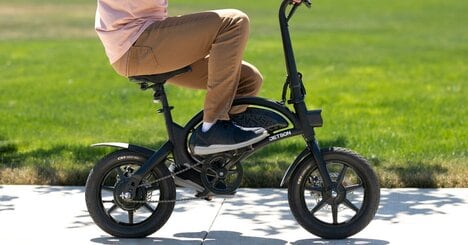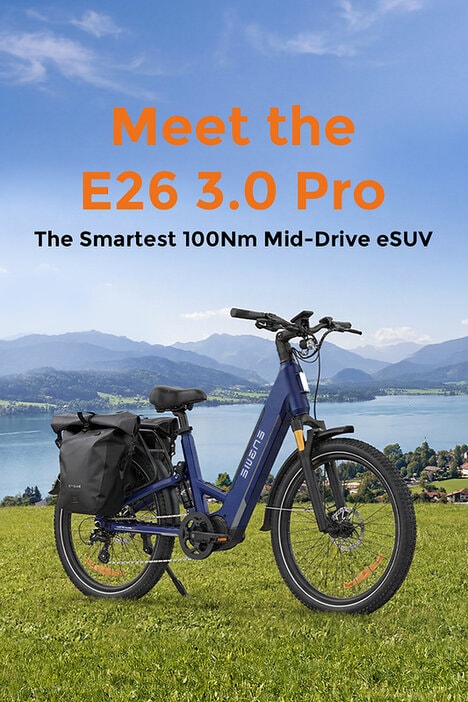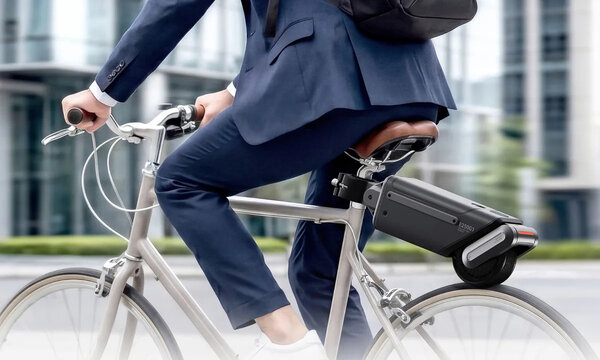
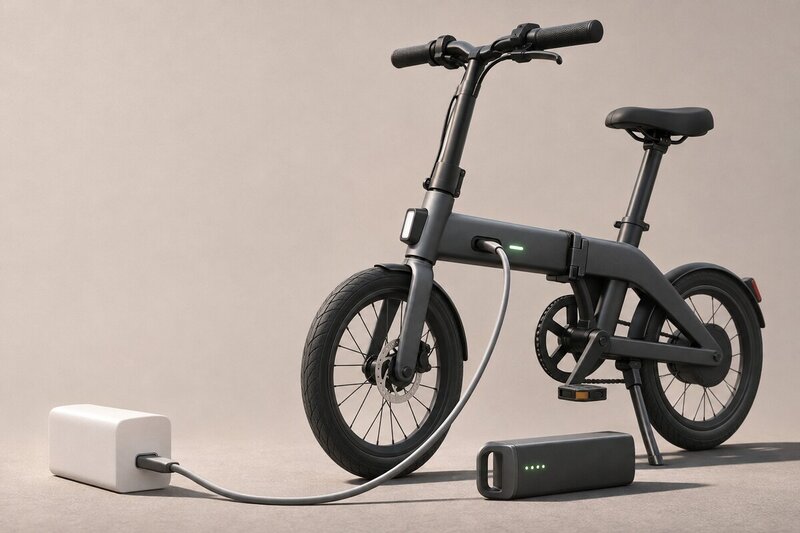
ENGWE built USB-C charging into the Zip folding e-bike, letting riders plug in with the same power brick used for a phone or laptop. The bike adds a feature that is still rare on production e-bikes, and the Zip is already shipping.
Its removable, keyed battery bag sits at the headset and can be taken off for charging away from the bike. It also has dual USB-C ports, so the pack can charge a laptop or another device. A 100W laptop brick can bring the pack close to full in about four hours.
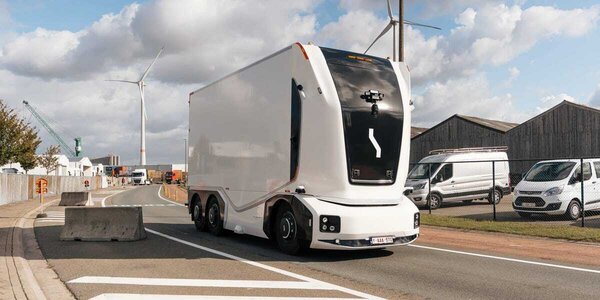
At €999, the Zip comes in at roughly one-quarter the price of Rivian's ALSO, turning USB-C charging from a niche premium feature into something budget-minded riders can buy. The lower price, plus the chance to skip a proprietary charger, widens the case for USB-C on other e-bikes that still lock riders into brand-specific bricks.
Key Themes Behind This Trend
- Universal E-bike Charging
- USB-C power compatibility reduces reliance on proprietary chargers and opens space for standardized charging ecosystems across personal electric mobility.
- Device-charging Batteries
- Removable e-bike battery packs with dual-purpose output create new value by turning mobility hardware into portable power infrastructure.
- Affordable Micromobility Tech
- Premium charging features moving into lower-cost folding e-bikes signal a shift toward mainstream access to advanced urban transport conveniences.
Where This Applies
- Electric Bicycles
- Budget models with USB-C charging can pressure established brands to rethink battery design, accessory lock-in, and everyday usability.
- Consumer Electronics
- Shared charging standards between laptops, phones, and e-bikes blur category boundaries and expand the role of power adapters in connected lifestyles.
- Urban Mobility
- Compact folding e-bikes with simplified charging support more flexible commuting patterns for riders in apartments, offices, and transit-linked environments.