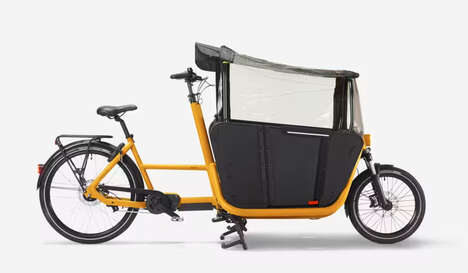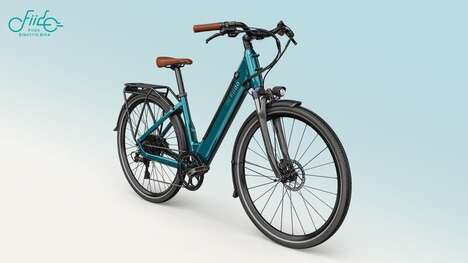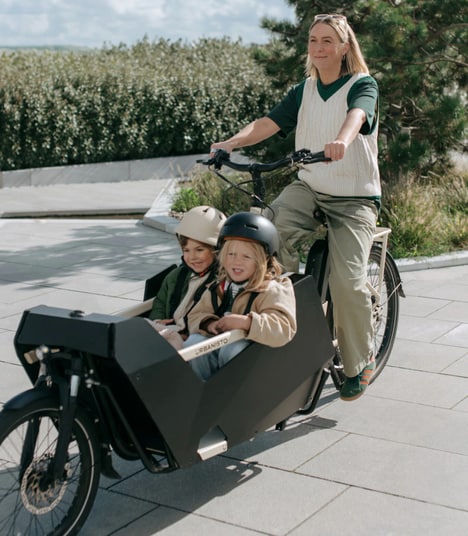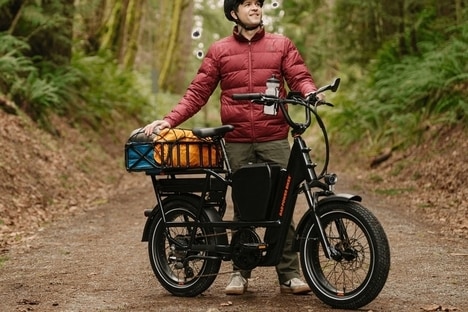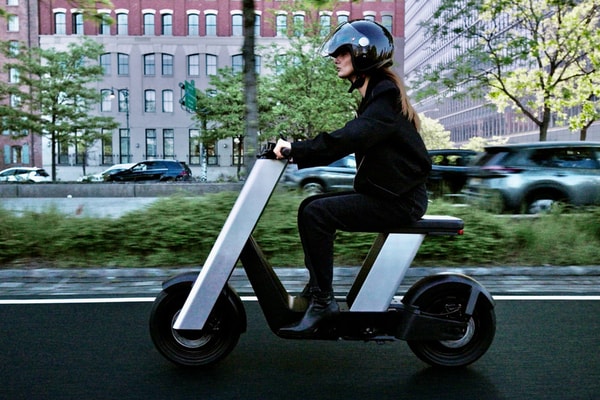
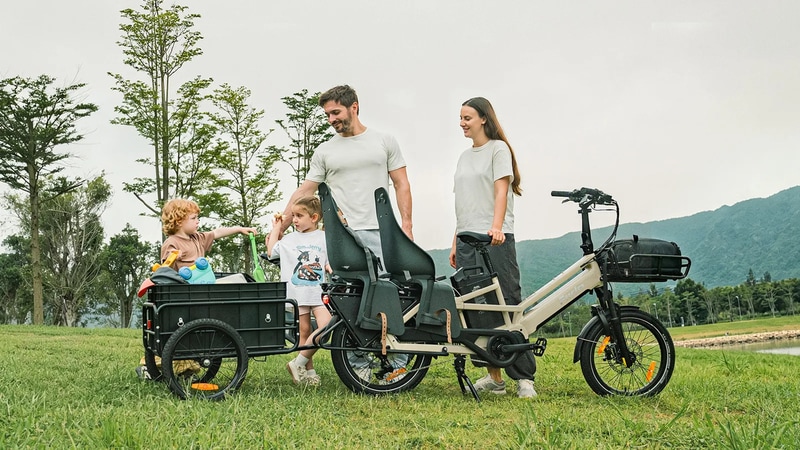
The Fiido T3 Max electric bike is an upcoming transportation solution engineered with the needs of families and cargo-toting riders alike in mind.
The bike is rated to support up to 440-pounds, which will work well for toting kids or carrying gear to maximize compatibility with a wider swath of consumer segments. The bike comes in either a single or dual-battery setup to deliver as much as 125-miles of range per charge. The removable battery can also be used as a power bank to charge up smartphones, speakers and other small electronics to work well on the campsite or for emergency requirements.
The Fiido T3 Max electric bike is priced at €2,299 for the single-battery version, while the double-battery option comes in at €2,999.
Image Credit: Fiido
Why This Trend Is Growing
- Power-bank Mobility
- Removable e-bike batteries that charge phones and small devices create crossover value between daily transportation, camping convenience, and emergency backup power.
- Family Cargo E-bikes
- High-capacity electric bikes designed for children, groceries, and gear expand micromobility from solo commuting into practical household transportation.
- Long-range Modular Batteries
- Dual-battery configurations with extended mileage make electric bikes more viable for heavier loads, longer trips, and riders with limited charging access.
Industries Being Reshaped
- Electric Bicycles
- Affordable cargo-capable models with utility-focused battery systems signal a shift toward e-bikes as multi-purpose mobility platforms rather than commuter-only products.
- Outdoor Recreation
- Battery-enabled bikes that support campsite charging and gear transport connect recreational travel with portable energy access for off-grid experiences.
- Emergency Preparedness
- Personal transportation products with backup power functionality introduce everyday devices into the broader market for resilience, outage support, and mobile charging.