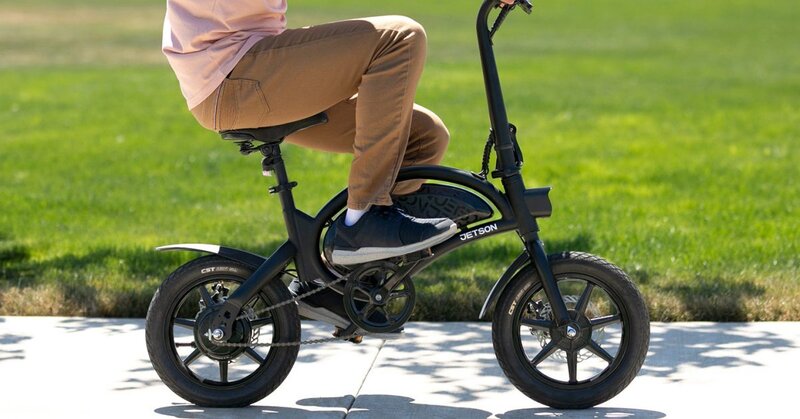
Jetson's Bolt Pro is a compact electric bike built for short trips and easy storage. It weighs 42 pounds and features a lightweight aluminum alloy frame with a built-in carrying handle.
The bike uses a 36V 6.0Ah battery and a 350W rear hub motor. Riders can get up to 30 miles with pedal assist or up to 15 miles on throttle alone, with speeds up to 15.5 MPH. It also includes an LED headlight, rear light, LED battery display, cruise control, and twist-throttle acceleration.
That mix of portability and basic range makes it a practical pick for errands, vacations, or apartment life. UL-2849 certification adds an extra layer of reassurance, while the compact format fits the current appetite for smaller, easier-to-manage mobility gear.
Image Credit: 9to5Toys
Why This Trend Is Growing
- Compact E-mobility
- Smaller electric bikes and scooters create space for affordable urban travel products that fit apartments, transit connections, and short-distance routines.
- Budget Electric Commuting
- Lower-cost e-bike models are expanding access to powered mobility, opening room for brands to compete on value, safety certification, and essential features.
- Portable Urban Transport
- Lightweight frames, built-in handles, and easy storage formats signal demand for mobility devices designed around dense living and flexible trip patterns.
Industries Being Reshaped
- Electric Bikes
- Entry-level compact models are reshaping the e-bike market by prioritizing practicality, certification, and simplified performance over premium specifications.
- Urban Mobility
- City transportation ecosystems are gaining new last-mile options as compact battery-powered vehicles address congestion, parking limits, and multimodal commuting.
- Consumer Electronics
- Connected displays, battery systems, lighting, and throttle controls position personal mobility products closer to everyday tech purchases than traditional bicycles.