Uber's Drizly deal was announced in a statement that claimed the ride share company has plans to acquire the alcohol marketplace for $1.1billion.
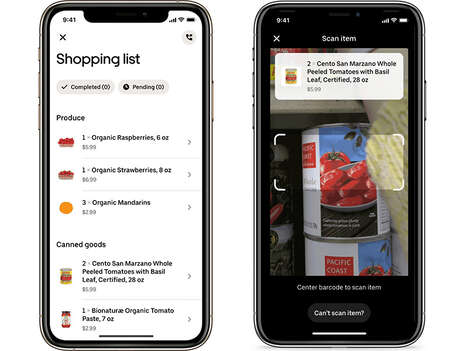
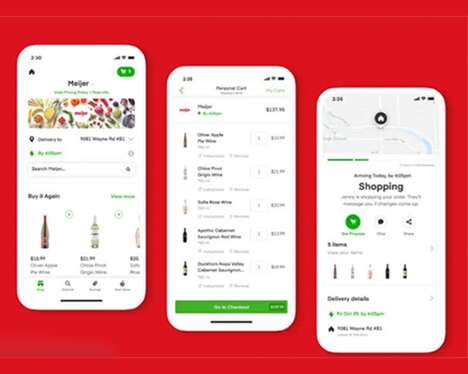
According to the plans, Drizly will still serve its own app, but a full integration into the Uber Eats app is expected. This integration offers a one-stop-shop for the majority of a consumer's needs, meaning they can order a meal and a bottle of wine through the same service. this coupled with Uber's grocery delivery service represents a clear direction for the company. This acquisition, which is still pending finalization, speaks to the rapidly changing online marketplace that has arisen as a result of the COVID-19 pandemic. Consumers are seeking contactless delivery, and brand's like Uber are responding with innovative partnerships.
Image Credit: Uber, Drizly, Getty Images
Key Themes Behind This Trend
- Ride Share-alcohol Partnerships
- Ride share companies partnering with alcohol delivery services to offer a one-stop-shop for consumers' needs presents a major disruptive innovation opportunity.
- Integration of On-demand Services
- Integration of on-demand services like ride share, food delivery, and alcohol delivery presents a major disruptive innovation opportunity for companies looking to offer convenience to consumers.
- Strategic Mergers & Acquisitions
- Strategic mergers and acquisitions such as Uber's Drizly deal respond to rapidly changing consumer behavior due to the COVID-19 pandemic and present a major disruptive innovation opportunity.
Where This Applies
- Ride Share
- The ride share industry can explore partnerships with alcohol delivery services to offer a unique value proposition to consumers.
- Food Delivery
- Food delivery companies can explore integration with alcohol delivery services to offer a greater range of services to consumers.
- Alcohol Delivery
- Alcohol delivery services can explore partnerships with ride share or food delivery companies to offer integrated and convenient services to consumers.