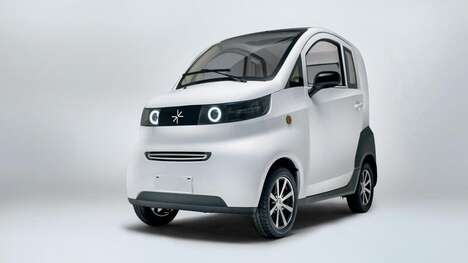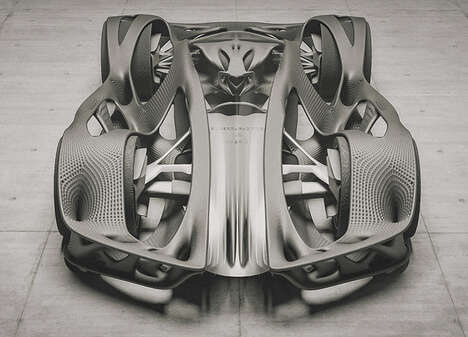
At the 2017 Taipei Ampa & Autotronics Taipei, Taiwan Automotive Research Consortium (TARC) introduced the world to an innovative 3D-printed two-seater electric vehicle.
The small-scale car boasts a lithium-ion battery that can travel up to about 62 miles on a single charge with maximum speeds of 60 km per hour. The entirety of the TARC car boasts a 3D-printed design, including both the exterior and interior of the vehicle. TARC created the design with a poly-lactic acid (PLA) material made from plant-derived starch and the doors of steel.
With a few tweaks to the design, the simple two-seater design has the potential to be changed into a pickup truck, a three-seater or another small-scale car to suit different purposes. The TARC car is just one example of how additive manufacturing may be used to significantly reduce manufacturing costs and environmental strain.
Key Themes Behind This Trend
- 3d-printed Vehicles
- Opportunity to disrupt the automotive industry by utilizing additive manufacturing to reduce manufacturing costs and create customizable designs.
- Electric Vehicle Technology
- Opportunity to disrupt the transportation industry by developing affordable and sustainable electric vehicles with longer battery life.
- Plant-based Materials
- Opportunity to disrupt the materials industry by using plant-derived materials for vehicle manufacturing, reducing environmental impact and promoting sustainability.
Where This Applies
- Automotive Industry
- Opportunity for automotive manufacturers and startups to embrace additive manufacturing to create cost-effective, customizable, and eco-friendly vehicles.
- Transportation Industry
- Opportunity for companies to invest in electric vehicle technology and infrastructure, providing consumers with affordable and sustainable transportation options.
- Materials Industry
- Opportunity for material suppliers to develop and market sustainable and plant-derived materials for various industries, including automotive manufacturing.