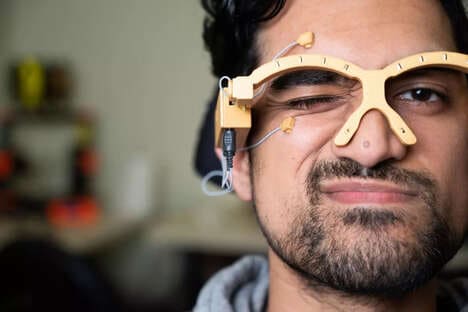
Using several control groups of tadpoles as well as one group that underwent eyeball transplantations, scientists discovered that they could successfully relocate eyes to different parts of the body.
One of the many surprising results of this ocular experiment was that the eyeballs that were moved to the tails of the tadpoles did not actually form any new nerve endings. This means they were not actually connected to the brain yet they could still see. With a bit more research, transplanted eyeballs could revolutionize human medicine, allowing blind people to get new eyes or letting people get eyes in other places of their bodies.
With these incredible eye transplantations, people can literally get eyes on the backs of their heads.
What's Driving This Trend
- Eyeball Transplantation
- Discover the potential for revolutionary eye transplantations that could revolutionize human medicine.
- Relocating Eyes
- Explore the possibilities of moving human eyes to different parts of the body, creating new opportunities for vision.
- Non-connected Sight
- Investigate the phenomenon of eyes still being able to see without being connected to the brain, opening doors for alternative eye placements.
Who This Affects Most
- Medical
- The medical industry could be disrupted by the development of eye transplantations for blind people and alternative eye placements.
- Biotechnology
- Biotechnology can play a role in advancing eye transplant procedures and developing techniques for successful eye relocation.
- Vision Care
- The vision care industry may find opportunities in providing services and therapies related to eye relocation surgeries and aftercare.