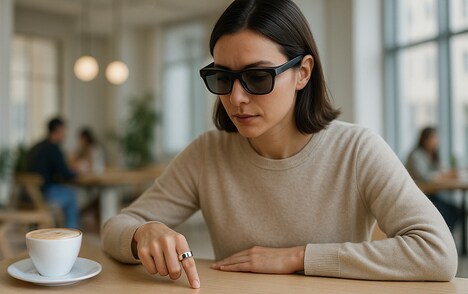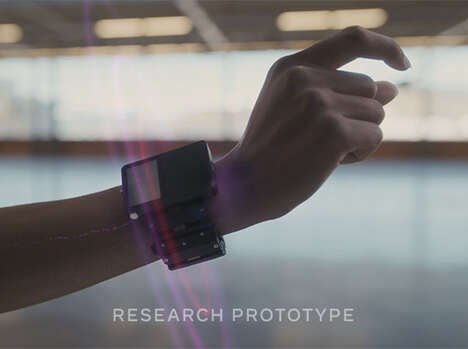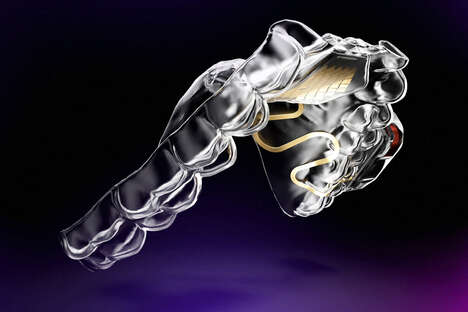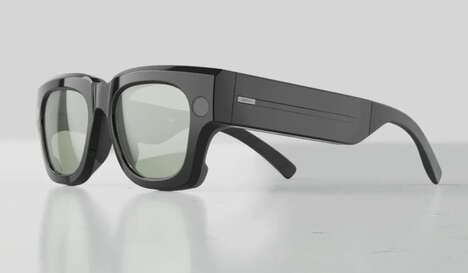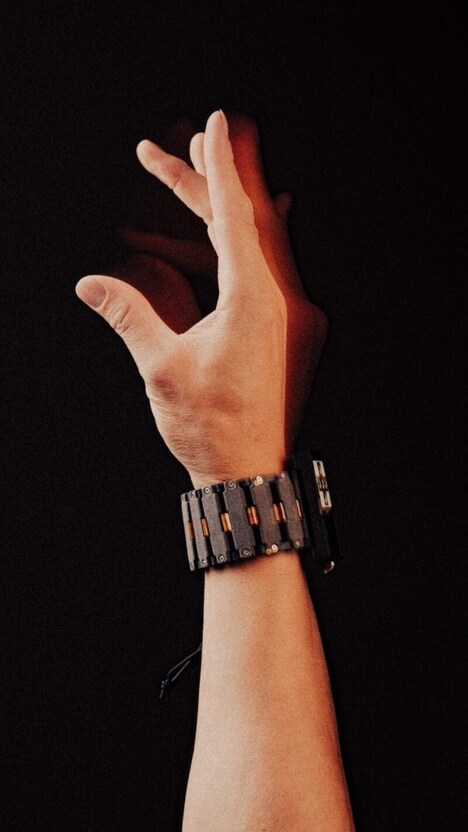
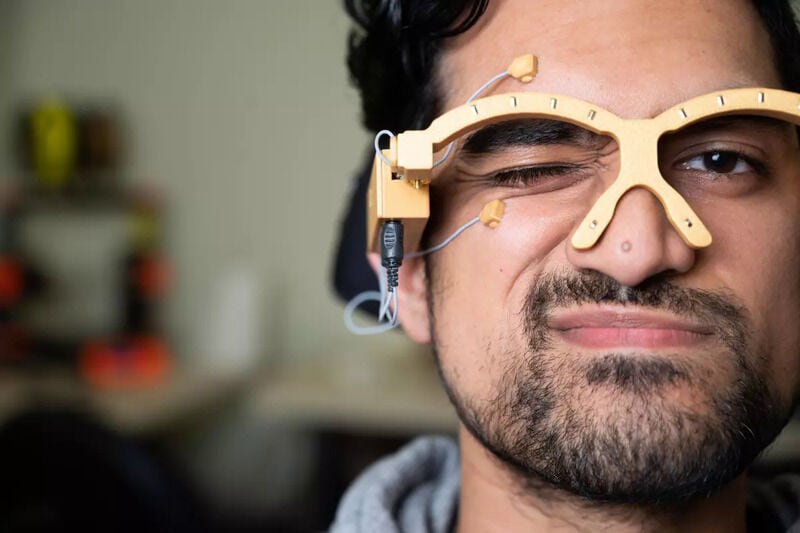
Researchers at the Georgia Institute of Technology, in collaboration with 'Brooks Rehabilitation,' have developed the 'MagTrack.' The MagTrack is a pair of glasses that are capable of tracking the wearer's facial movements from eyebrow raises to tongue movements. The MagTrack is equipped with several inertial measurement units (IMUs) that allow it to accurately measure micromovements, such as touching your tongue to the inside of your cheek.
On top of IMUs, the MagTrack features an accelerometer, a gyroscope, and a magnetometer. The device connects to the wearer's face through a non-toxic adhesive, preventing the device from falling off when in motion. The researchers created the MagTrack for wheelchair users, providing a convenient way for these users to navigate the world without needing to physically row themselves.
While this is functionality that motivated the creation of the MagTrack, the applications of the device do not end here, as the team that created it has stated that they want to "push this technology and its capabilities as far as possible."
Image Credit: Georgia Tech, Brooks Rehabilitation
Why This Trend Is Growing
- Facial Movement Tracking
- Opportunities for further development of MagTrack technology to enhance facial movement tracking capabilities for various applications.
- Wearable Imus
- Growing trend in wearable technology integrating inertial measurement units (IMUs) for motion tracking in various applications.
- Assistive Devices
- Increasing demand and opportunities for assistive devices for people with disabilities, particularly in the area of mobility and accessibility.
Industries Being Reshaped
- Healthcare
- The MagTrack technology can be applied to healthcare industries for monitoring facial movements and muscle activity during treatment or therapy.
- Gaming
- Opportunities to integrate the MagTrack technology into gaming for interactive facial expression recognition and tracking.
- Assistive Technology
- The MagTrack technology can be further developed for assistive devices to aid individuals with disabilities in a variety of daily activities and functions.