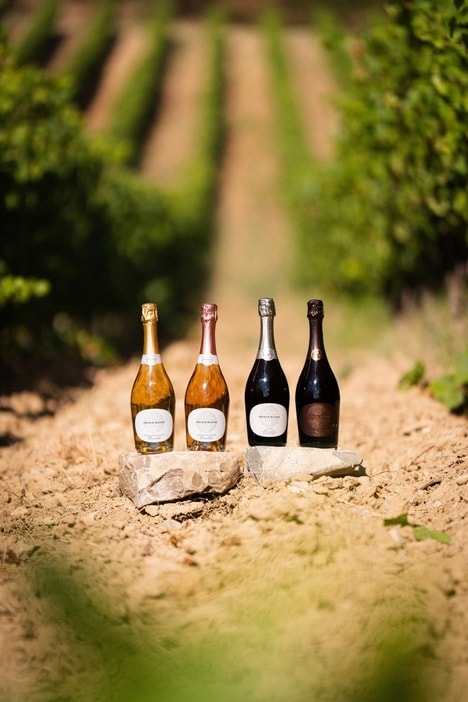
Perlée has opened its doors in Oregon's Dundee Hills as a new traditional-method sparkling wine estate that seeks to offer a holistic and immersive hospitality experience deeply rooted in its specific geographic and agricultural context. Founded by Tiffany and Grant Austin on land the family has owned for decades, the estate spans over 70 acres of organically and dry-farmed vineyards. It is surrounded by native forests, gardens, beehives, and heritage poultry, all of which contribute to a setting that emphasizes ecological stewardship and a strong sense of place.
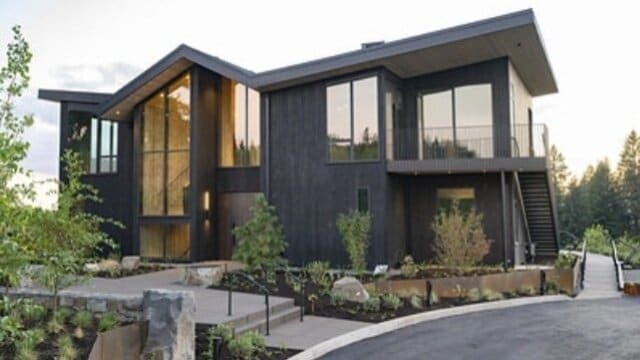
The architecture of Perlée's traditional-method sparkling wine estate features extensive glass walls that blur the line between interior and exterior, while design elements such as hand-blown glass chandeliers and ceramic tableware made from the estate's own soil reinforce the connection to the surrounding landscape. The culinary program, led by a chef with experience at a three-Michelin-starred restaurant, offers a daily evolving menu that draws from the estate's gardens and local Oregon producers.
Image Credit: Perlée
Key Themes Behind This Trend
- Place-based Luxury Hospitality
- Estate-driven design, cuisine, and storytelling create premium experiences where regional identity becomes a defensible differentiator for wine, travel, and lifestyle brands.
- Regenerative Vineyard Experiences
- Organic farming, dry-farmed vineyards, beehives, forests, and heritage animals signal growing demand for hospitality models that integrate ecological stewardship into consumer-facing luxury.
- Hyperlocal Culinary Pairings
- Menus built around estate gardens, local producers, and site-specific materials expand the role of dining as a sensory extension of terroir and brand narrative.
Where This Applies
- Wine and Spirits
- Traditional-method sparkling producers can differentiate through immersive estates that combine craft production, sustainability, and destination-worthy hospitality.
- Luxury Travel
- High-end travelers are increasingly drawn to properties where architecture, landscape, food, and agriculture form a cohesive sense-of-place experience.
- Sustainable Agriculture
- Dry farming, organic viticulture, and biodiversity-focused estate management highlight new commercial value in farming systems that double as consumer experience platforms.