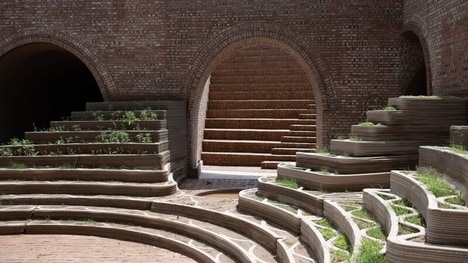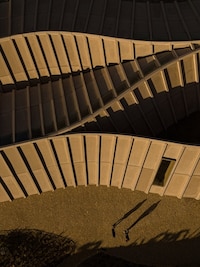
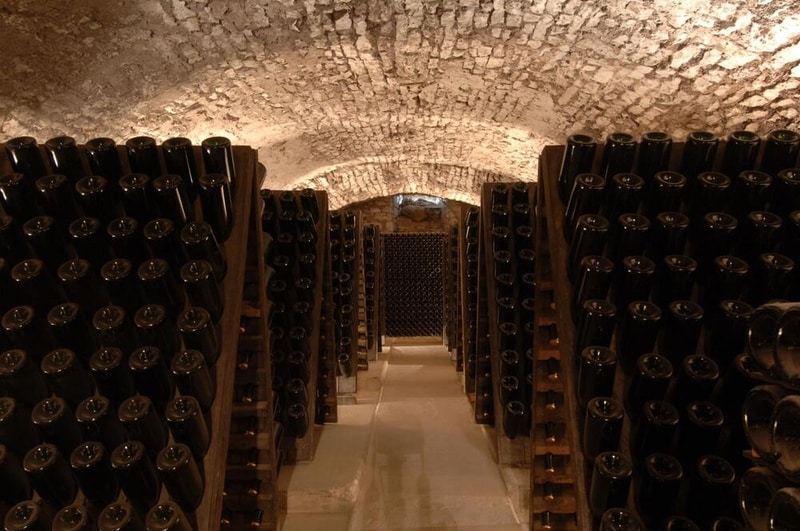
Champagne Drappier introduced a new subterranean storage facility at its Urville cellar, featuring an engineered underground cellar lined with Secant piles and recycled concrete to retain soil and reduce energy needs. The project, led by Michel Drappier with architects Atelier Zero Carbone, was designed to be carbon neutral and to disappear into the landscape when finished, covered with clay, limestone and gardens.
The maison also revealed plans to renovate an 11th‑century house into a small hotel, restaurant and spa opening summer 2027, and to expand bottle disgorging in a wood‑and‑straw structure with natural climate control. These investments aim to boost both capacity and visitor experience in the Aube, offering naturally cooled, low‑energy ageing and immersive tourism that aligns with rising demand for sustainable, place‑based wine visits.
Image Credit: Champagne Drappier
Key Themes Behind This Trend
- Subterranean Sustainable Storage
- Engineered underground cellars offering naturally cooled, low‑energy ageing environments present opportunities to rethink storage logistics and life‑cycle emissions for temperature‑sensitive products.
- Carbon-neutral Winery Architecture
- Architectural designs that integrate recycled concrete, secant pile retaining systems, and landscape‑embedded forms point to new paradigms in low‑carbon industrial building envelopes.
- Place-based Immersive Wine Tourism
- Growing demand for authentic, landscape‑integrated visits combining tasting, lodging, and craft processes signals potential for destination experiences that fuse production transparency with cultural heritage.
Where This Applies
- Wine and Beverage Production
- Low‑energy subterranean maturation and on‑site disgorging approaches could transform production footprints and product differentiation through provenance‑led quality control.
- Sustainable Construction Materials
- Use of recycled concrete, secant piles, and biodegradable finishes indicates a market for engineered, circular materials optimized for buried and climate‑adaptive structures.
- Hospitality and Agritourism
- Conversion of historic estates into intimate hotels, restaurants, and spas suggests a shift toward small‑scale, sustainability‑focused lodging that leverages production narratives and landscape restoration.