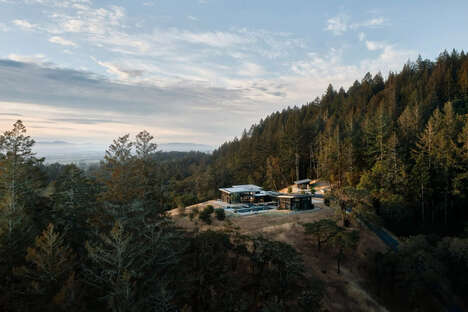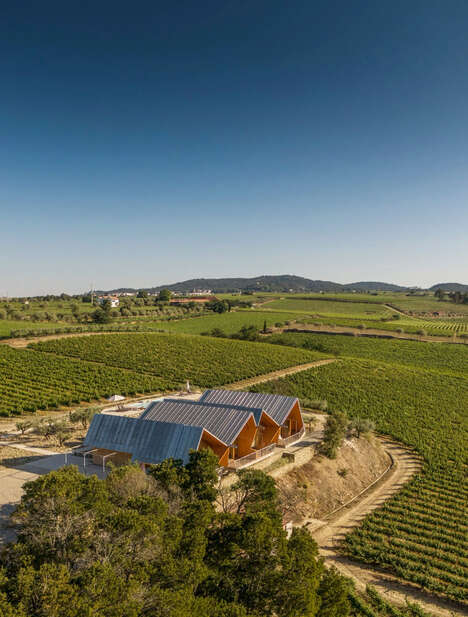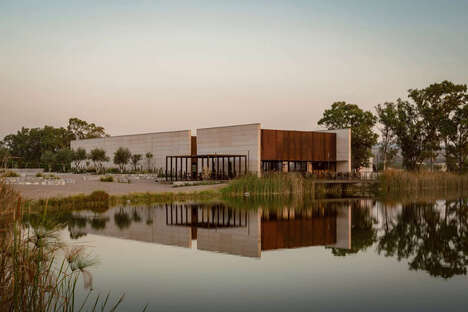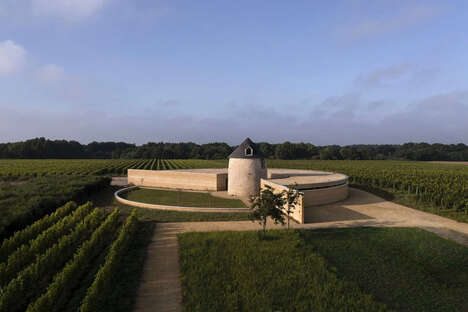
The Legacy of Bodegas Faustino Winery by Foster + Partners represents a forward-thinking expansion and modernization of one of Spain’s most renowned wine estates. Located in Oyón, Rioja Alavesa, the project seamlessly brings together sustainability, heritage, and innovation.
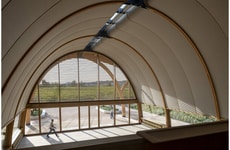
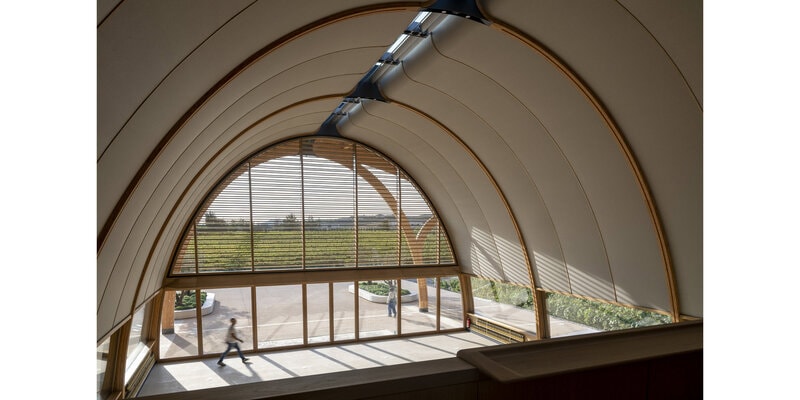
Foster + Partners was successful in revitalizing the winery while maintaining a deep connection to its viticultural roots. The redesign shifts the main entrance to emphasize the surrounding vineyards, ensuring that visitors immediately engage with the landscape before exploring the new visitor center. The Legacy of Bodegas Faustino Winery's structure immediately stands out with its beautiful, vaulted timber roof. The anti-funicular design optimizes structural integrity and minimizes material use. The earthy tones, on the other hand, harmonize the building with the natural setting. Inside, the space is organized into distinct zones, with a mezzanine offering panoramic views of the vineyards.
Sustainability is a cornerstone of the project, with the visitor center classified as a ‘Planet 1.0’ building, meaning its carbon footprint is offset by natural ecosystems. The Energy Plus strategy, powered by rooftop solar panels, ensures the building generates surplus energy, which is redirected to other facilities on-site.
Image Credit: Hadir Al Koshta
What's Driving This Trend
- Sustainable Winery Architecture
- Blending modern design with ecological mindfulness, sustainable winery architecture reduces environmental impact while preserving cultural heritage.
- Energy-positive Buildings
- Structures that generate more energy than they consume represent a leap forward in reducing carbon footprints for commercial spaces.
- Nature-integrated Visitor Experiences
- Designs emphasizing seamless integration with natural landscapes foster unique tourist experiences that enhance visitor engagement and environmental appreciation.
- Anti-funicular Design Trends
- Utilizing anti-funicular design principles to optimize structural integrity and minimize material use signals a shift towards more efficient and innovative architectural solutions.
Who This Affects Most
- Architecture and Design
- Integrating sustainability, heritage, and contemporary design in architectural projects offers innovative pathways for eco-conscious building practices.
- Renewable Energy
- The application of surplus energy generation techniques in commercial settings opens new opportunities for the renewable energy sector to expand its impact.
- Eco-tourism
- Transformative visitor experiences, pairing rich heritage with sustainability, reshape the eco-tourism industry's approach to sustainable travel.