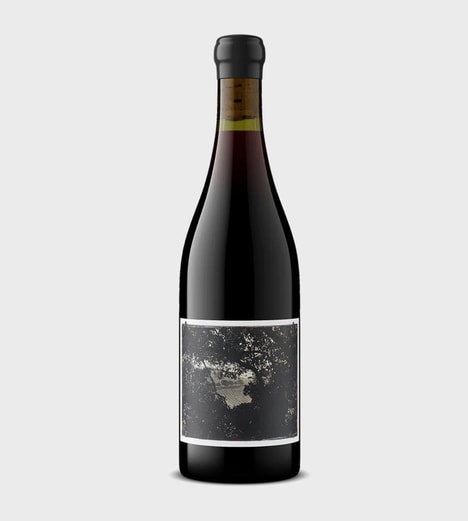
Located in Walla Walla, Washington, Echolands Winery has obtained USDA Organic Certification for its Echolands Estate Vineyard. This designation is granted by California Certified Organic Farmers, and it confirms the vineyard meets federal standards for organic crop production.
The Echolands Estate Vineyard property, which was planted beginning in 2021, focuses on soil restoration through cover cropping, composting, and the addition of bio-char — a carbon-rich charcoal that improves soil structure and supports microbial life. Echolands Winery relies on an onsite herd of goats and sheep for weed control, supplemented by hand-pulling and mechanical methods. Only organic fungicides and fertilizers are applied, and cover crops such as crimson clover, arugula, radishes, and turnips are grown between the vine rows and later left to decompose as green manure to further enrich the soil.
Image Credit: Echolands Winery
What Makes This Trend Stand Out
- Regenerative Soil Management
- Widespread adoption of cover cropping, composting, and bio-char creates potential for alternative soil amendment systems that significantly enhance carbon sequestration and long-term vineyard productivity.
- Organic Certification Expansion
- A growing number of estates seeking USDA organic status points to scalable certification-driven market differentiation and premium pricing models tied to verified sustainable practices.
- Integrated Livestock Weed Control
- Onsite use of goats and sheep for vegetation management signals opportunities for livestock-vineyard symbiosis models that reduce chemical inputs while altering farm labor and asset structures.
Sectors Adopting This
- Wine and Viticulture
- A shift toward certified organic estate vineyards is reshaping grape sourcing and cellar practices, enabling new product tiers and terroir narratives centered on soil health and biodiversity.
- Agricultural Inputs and Biochar
- Demand for bio-char and organic-compliant fertilizers is creating openings for engineered soil amendments and circular supply chains that monetize carbon retention and waste-to-amendment flows.
- Certification and Traceability Tech
- Digital platforms for documenting organic practices and supply chain provenance are becoming pivotal for verifying standards compliance and unlocking consumer trust premiums.