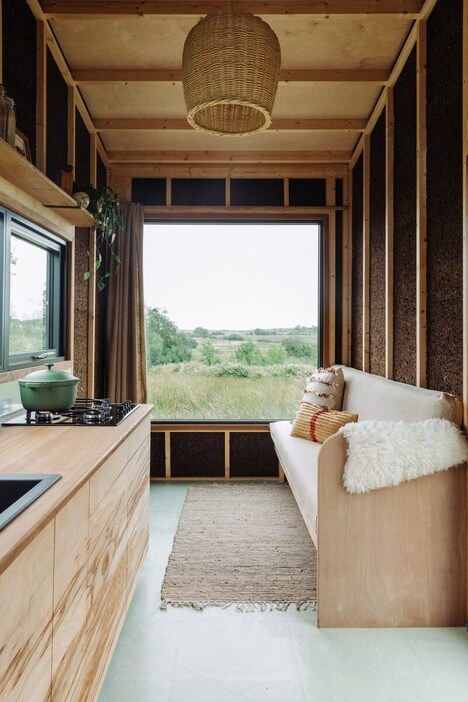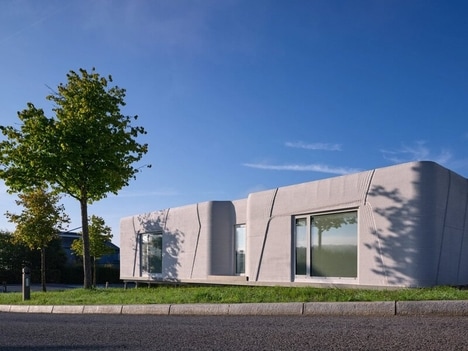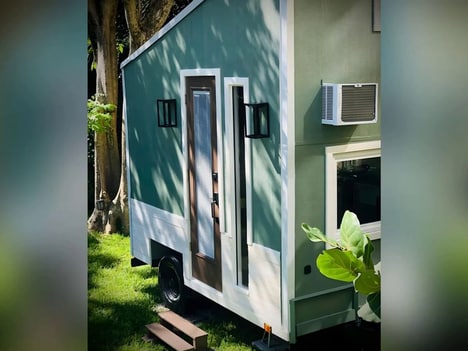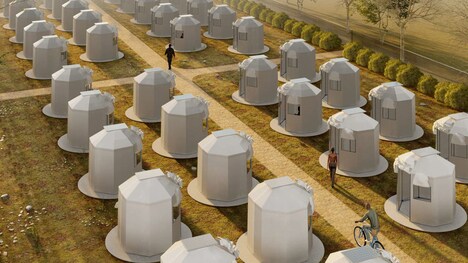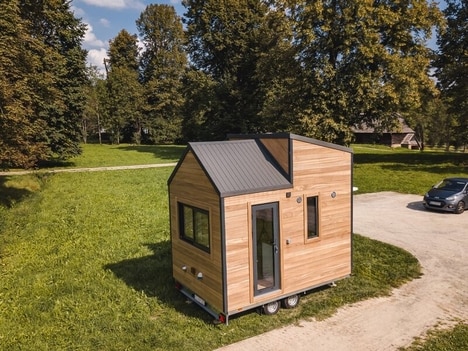


The Low Income Housing Institute is trying to solve Seattle's low-income housing crisis by building tiny shelters for the homeless. Like many large cities, Seattle has a limited budget for building low-income apartments. To combat this issue, one organization is turning to micro-housing as a potential solution.
The Low Income Housing Institute originally provided the city's homeless with tents, but quickly realized these shelters were not durable enough to withstand Seattle's tough winters. As a result, the company began producing small shacks that provide temporary shelter until permanent housing can be arranged. As of right now, there are 12 tiny shelters housing 14 homeless individuals. Although the homes are very small, they provide a safe and warm source of shelter for those who need temporary housing.
The miniature homeless shelters ultimately demonstrate how micro-living can provide a short-term solution for cities facing a low-income housing crisis.
What's Driving This Trend
- Micro-housing
- The trend towards building smaller and more affordable housing solutions for low-income individuals in large cities presents an opportunity for disruptive innovation in architecture and construction.
- Temporary Shelters
- The trend towards building temporary shelters for homeless people in response to a lack of low-income housing presents an opportunity for disruptive innovation in modular design and sustainable materials.
- Socially Responsible Architecture
- The trend towards designing buildings with a focus on social and economic responsibility presents an opportunity for disruptive innovation in sustainable architecture that addresses the needs of low-income urban populations.
Who This Affects Most
- Construction
- The construction industry has an opportunity to innovate by developing cost-effective and sustainable materials and designs for micro-housing and temporary shelters for the homeless.
- Real Estate
- The real estate industry can benefit from disruptive innovation by exploring ways to make affordable housing more accessible to low-income individuals in large cities through micro-living and temporary shelters.
- Non-profit and Social Enterprises
- Non-profit organizations and social enterprises that focus on affordable housing solutions have an opportunity to explore the use of micro-living and temporary shelters for low-income populations in urban environments.