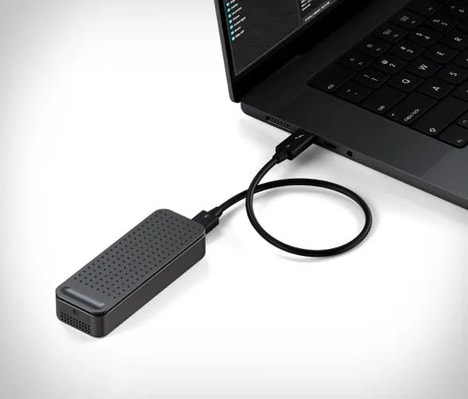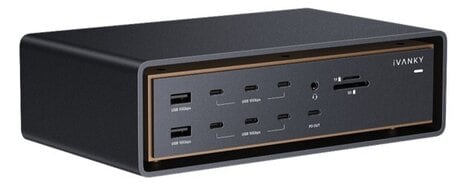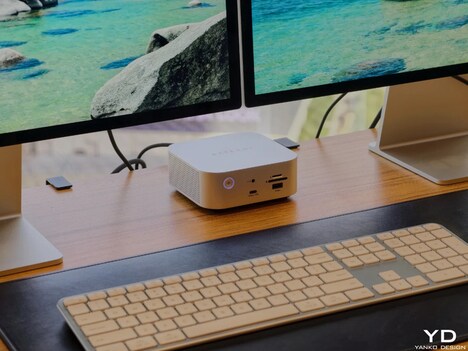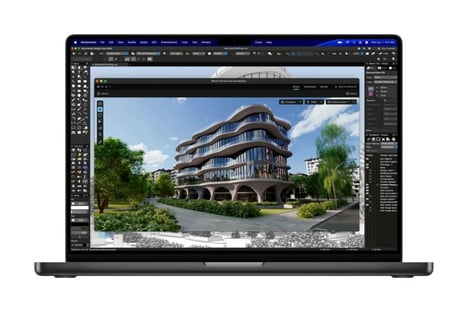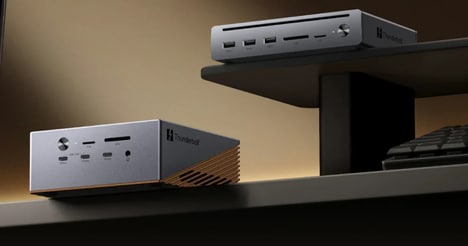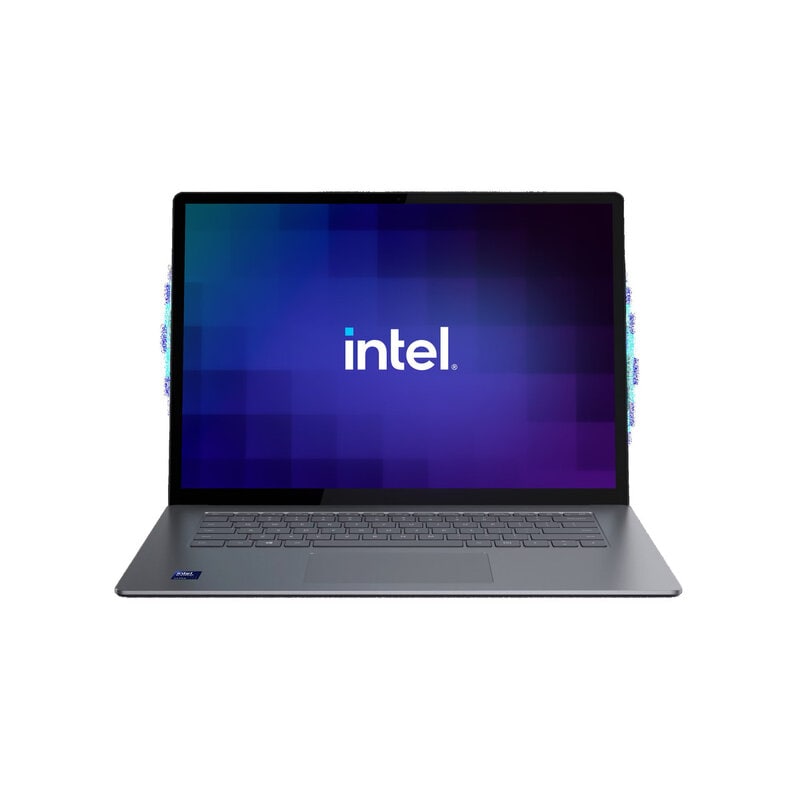
Intel introduced Thunderbolt 5 as the next-generation USB-C connectivity standard, featuring higher bandwidth and power delivery for creators, gamers and IT professionals. The standard doubles Thunderbolt 4’s bidirectional bandwidth and can support up to 240 watts of power delivery, while remaining backward compatible with Thunderbolt 4, Thunderbolt 3 and USB4 devices.
Thunderbolt 5 provides an 80Gbps baseline and can allocate up to 120Gbps in one direction and 40Gbps in the other for bandwidth-intensive workflows. The added capacity supports demanding display setups, including multiple high-resolution or high-refresh-rate monitors, while giving compatible docks, external SSDs and PCIe expansion devices more headroom.
For consumers, Thunderbolt 5 is most relevant for workflows involving large files, advanced docking setups, multiple displays and higher-powered laptops. Thunderbolt 4 remains sufficient for many mainstream users, while Thunderbolt 5 offers a practical upgrade path for professionals with heavier connectivity demands.
Image Credit: Intel
What Makes This Trend Stand Out
- Adaptive Bandwidth Connectivity
- Dynamic data allocation across USB-C ports creates room for smarter docks, displays and peripherals that optimize performance for media production, gaming and enterprise workflows.
- High-power Laptop Docking
- Expanded 240-watt power delivery supports workstation-class laptops through single-cable setups, reshaping expectations for portable productivity and desktop replacement systems.
- Multi-display Creative Workflows
- Higher throughput enables more seamless use of multiple high-resolution or high-refresh-rate monitors, opening new possibilities for immersive editing, design and streaming environments.
Sectors Adopting This
- Computer Hardware
- Component makers can differentiate laptops, motherboards and expansion devices through faster external connectivity that extends device lifecycles and supports professional-grade performance.
- Consumer Electronics
- Peripheral brands gain new product potential in premium docks, external storage and display accessories designed around increasingly demanding home and hybrid work setups.
- Gaming and Esports
- Bandwidth-heavy gaming stations benefit from faster display support, external graphics expansion and simplified cable management for competitive and enthusiast environments.