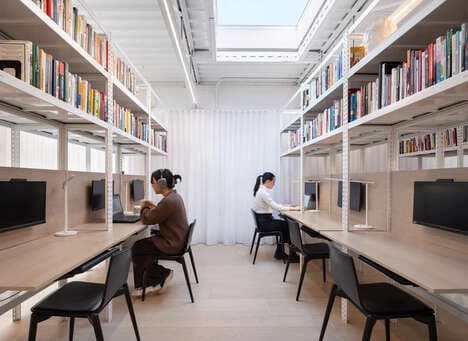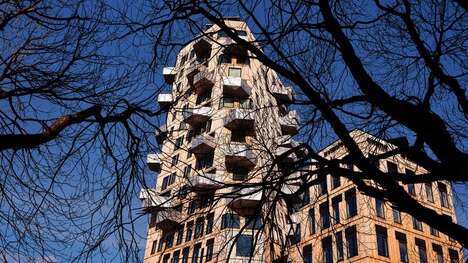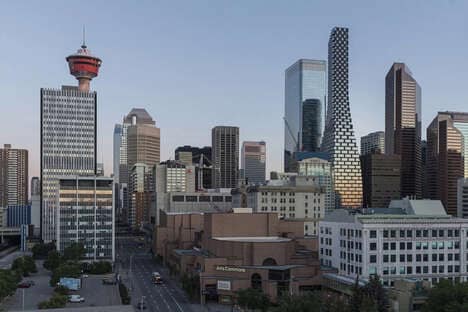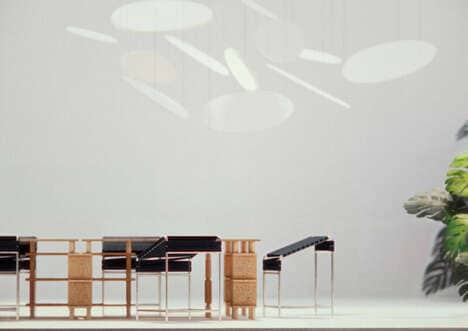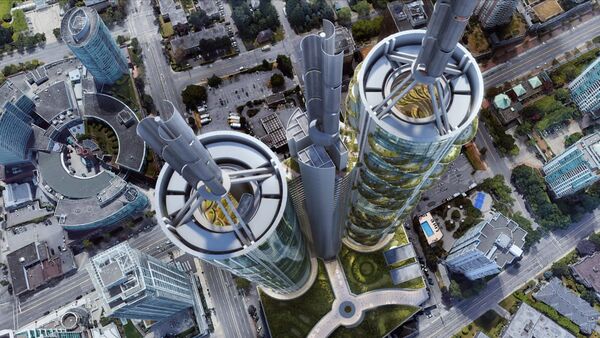


Toronto-based B+H Architects are looking to get ahead of the cultural curve with the introduction of the unTower use-neutral skyscraper concept. As more companies permit working from home in the long term, office spaces have begun to become somewhat obsolete. The unTower aims to address the shifting space needs that have been set in motion through the course of the pandemic.
The skyscraper is designed with the ability to adapt to different space needs whether residential or commercial. The unTower has a cylindrical shape which is populated with stacked rings. These rings are made to be modular, cutting construction costs and expediting the manufacturing process. The unTower's unique, adaptable design makes it ideal for fast-paced, rapidly expanding cities where the skyscraper's flexibility would be a major asset.
Image Credit: Fast Company
What Makes This Trend Stand Out
- Use-neutral Skyscrapers
- The unTower is a use-neutral skyscraper concept that adapts to shifting space needs, creating opportunities for cost savings and versatility in building design.
- Modular Building Materials
- The unTower's stacked ring system shows potential for faster, more cost-effective construction using modular building materials.
- Flexible Workplace Solutions
- The growing trend toward working from home calls for more flexible workplace solutions like the unTower that can adapt to changing space needs.
Sectors Adopting This
- Architecture
- Architectural firms can explore design concepts for use-neutral skyscrapers like the unTower and incorporate modular building materials to achieve cost savings and maximum adaptability.
- Construction
- The use of modular building materials could revolutionize the construction industry, creating opportunities for faster, more efficient building projects and lowering overall costs.
- Real Estate
- Real estate developers can plan for the future of urban growth through the use of flexible, adaptive buildings like the unTower that can easily be converted from commercial to residential or vice versa.