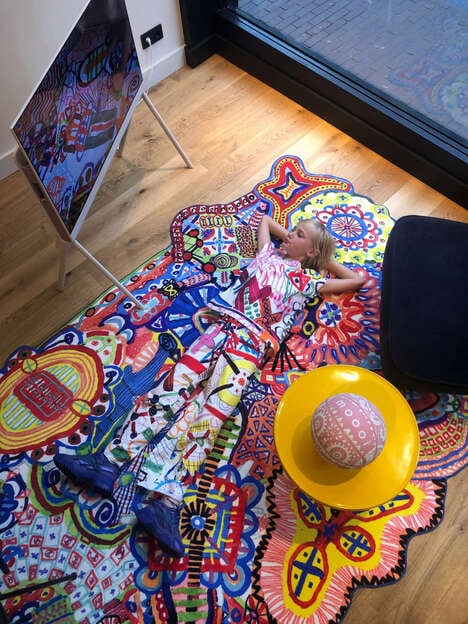
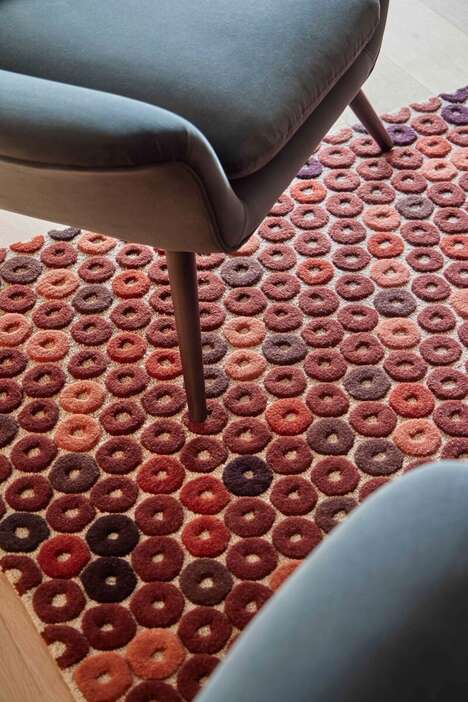
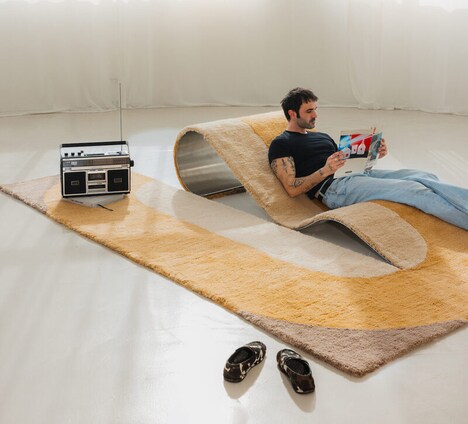
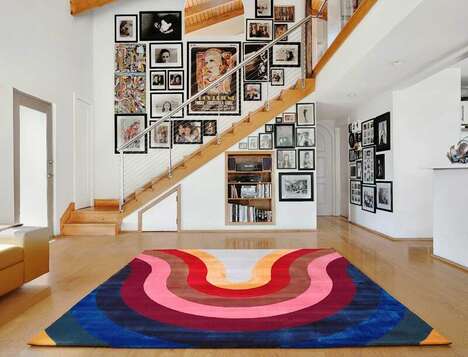
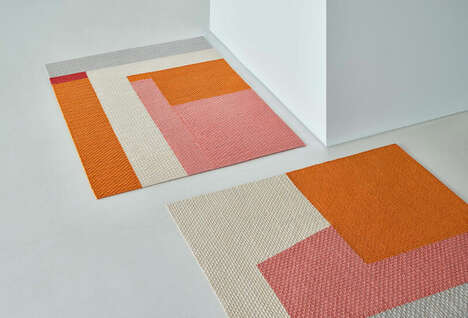
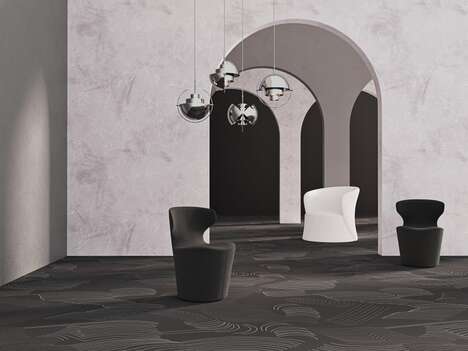
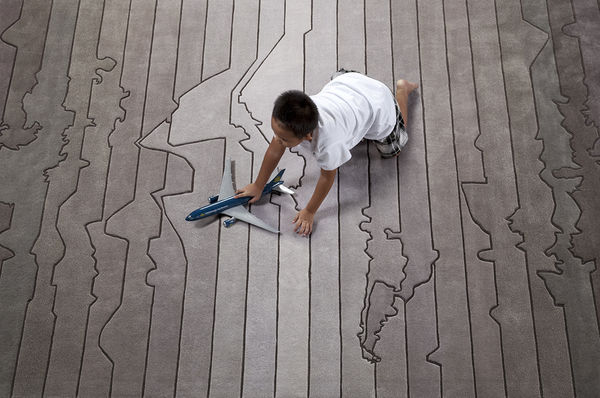
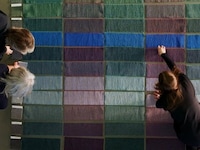
The Tea Hug Carpet may look like it adheres to an abstract design, but it was actually created using a number of different factors combining "memory, music, and traditional Chinese manufacturing with new digital technologies," as noted by Design Milk. The starting point of the Tea Hug Carpet was an artwork by German painter Johann Moritz Rugendas depicting Chinese tea cultivation in Rio de Janeiro.
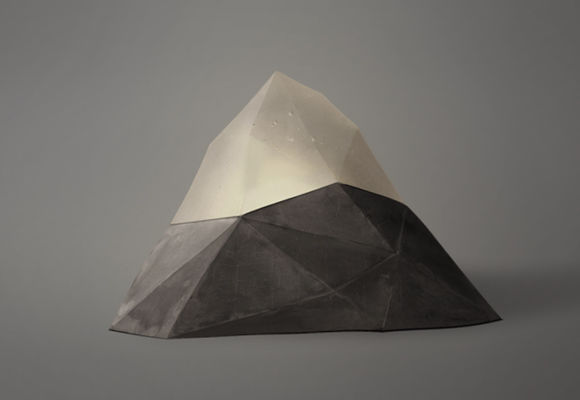
From there, it was converted into a pixelated grayscale image from which the brightest shades were isolated. These points were triangulated to create a geometric pattern. Five colors were picked out of the original painting and filled in using data of the melody of a traditional Chinese song. The Tea Hug Carpet was designed by Estudio Guto Requena
Why This Trend Is Growing
- Art-inspired Carpets
- Creating rugs inspired by artwork provides opportunities for unique and visually striking designs in the carpet industry.
- Integration of Traditional and Digital Technologies
- Combining traditional Chinese manufacturing with digital technologies opens up possibilities for innovative and hybrid productions in various industries.
- Data-driven Design
- Using data, such as melodies of songs, to inform the design process can lead to sophisticated and personalized creations across different sectors.
Industries Being Reshaped
- Carpet Manufacturing
- Incorporating painting-inspired designs into carpets can revolutionize the carpet manufacturing industry and cater to consumers seeking unique and artistic home decor.
- Textile and Home Decor
- Exploring the integration of traditional and digital technologies in the textile and home decor industry can spark innovation in product design and manufacturing processes.
- Creative Industries
- The use of data-driven design techniques has the potential to disrupt and enhance creative industries such as art, fashion, and interior design.