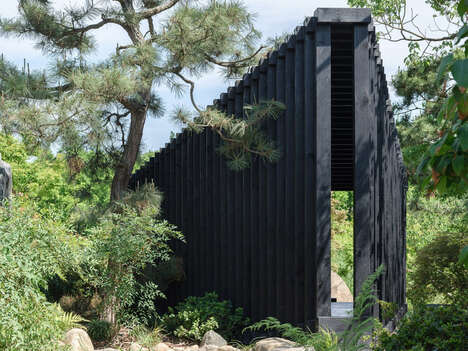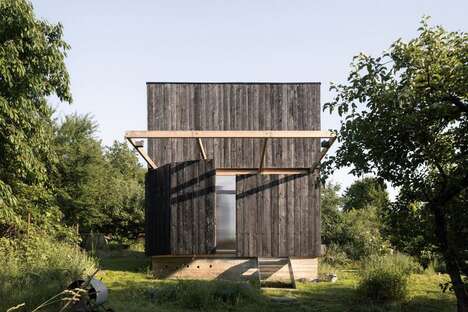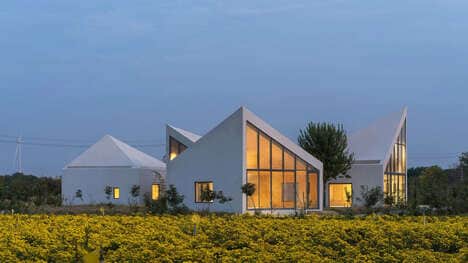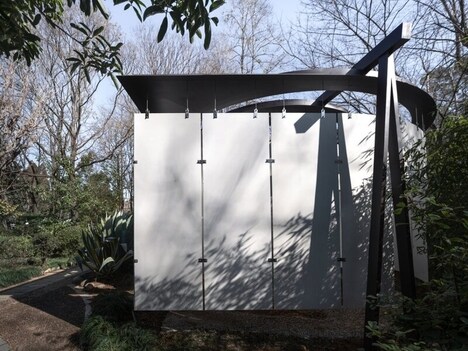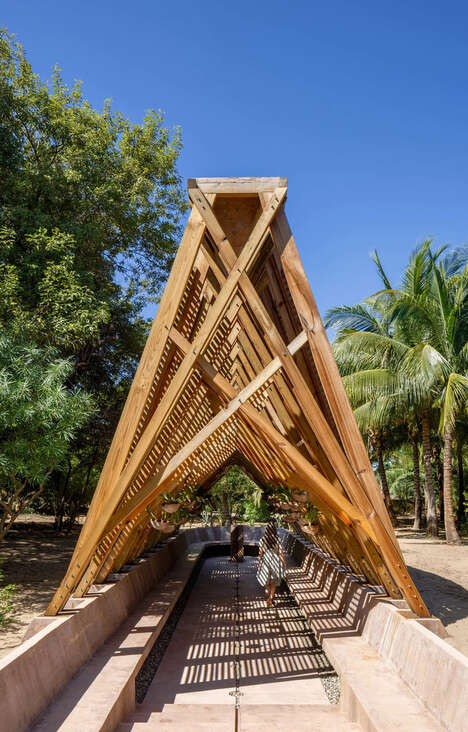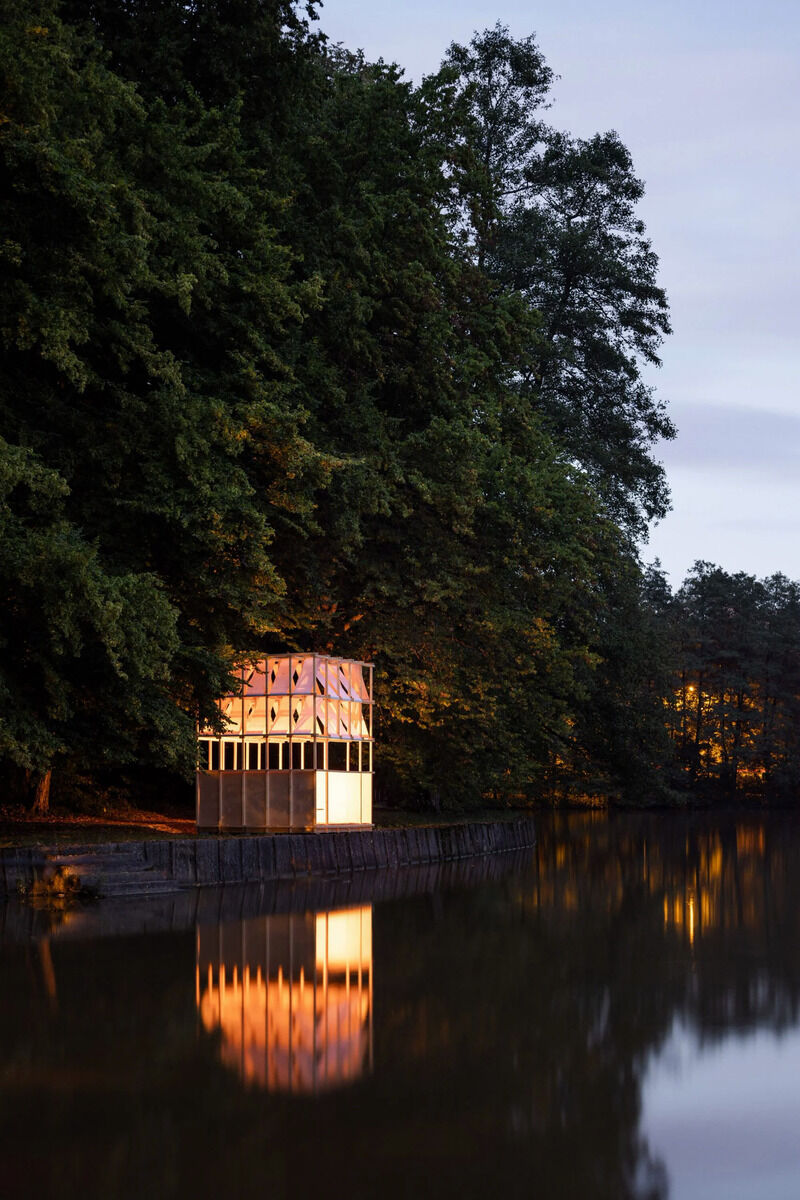
Slovakian design studio Grau Architects makes use of a variety of materials including plywood, spruce, and white fabric to create the Tea House Pavilion. It boasts a lantern-like design language and is a calming place of rest for those that visit the Hrabinka Lake in the Czech Republic. The building is a modern take on the traditional Japanese structure with a low table right at the center, used for tea ceremonies, for example.
The space is made from locally sourced spruce wood, providing a seamless blend to the treeline from its structure. The studio explains, "We decided to use a subtle spruce profile from a local source, aligning the design, our own requirements, budget, and the current market offer, which was also significantly limited after the Covid-19 pandemic. Wood ages naturally and we naturally accept it."
Image Credit: Grau Architects
What's Driving This Trend
- Lantern-like Design Trends for Architecture
- Using lantern-like design language for architectural structures invokes a calm and restful atmosphere.
- Local Sourcing of Materials
- Local sourcing of materials for architectural building is an eco-friendly and cost-effective trend.
- Modernizing Traditional Japanese Architecture
- Modernizing traditional Japanese architectural structures with contemporary materials and design aesthetics can attract a wider audience.
Who This Affects Most
- Architecture and Construction
- Architects and builders can utilize lantern-like design language and local sourcing of materials trends for their projects.
- Tourism and Hospitality
- Incorporating traditional Japanese architecture with modern design aesthetics in tourism and hospitality industry can create a unique and memorable customer experience.
- Sustainability
- Emphasis on local sourcing of materials trend can promote sustainability in construction and architecture industries.