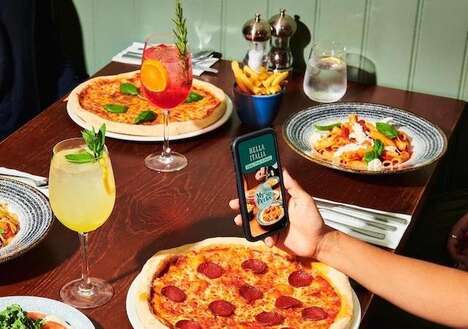
Taranta is a Boston restaurant that aims to offer customers more than just a high-quality brick-and-mortar dining experience -- it also aims to educate customers on pretty much every possible aspect of the food that they're eating so they can get more out of the experience than just a single delicious meal.
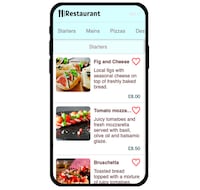
The Peruvian-Italian restaurant, located in the North End of Boston, does this in a most ingenious and unusual manner -- by stamping QR codes on plates using squid ink. Diners can use their smartphone QR code readers to scan the inky code to access a world of interesting information.
Diners can read about the ingredients' sourcing, try their hand at its recipe and learn about related sustainability issues.
What Makes This Trend Stand Out
- Educational Dining
- Incorporate educational elements into the dining experience to provide customers with a deeper understanding of the food they are eating.
- QR Code Integration
- Utilize QR codes to provide convenient access to additional information about the food and its sourcing.
- Sustainability Awareness
- Highlight sustainability issues related to the ingredients used in the dishes to raise customers' awareness and promote eco-friendly practices.
Sectors Adopting This
- Restaurant
- Restaurants can embrace educational dining experiences and implement QR code integration to enhance customer engagement and satisfaction.
- Mobile Technology
- The use of QR codes on plates presents opportunities for mobile technology providers to develop innovative solutions that enhance the dining experience.
- Sustainable Food
- The incorporation of sustainability awareness in restaurants creates opportunities for the growth of the sustainable food industry and the promotion of eco-friendly practices.