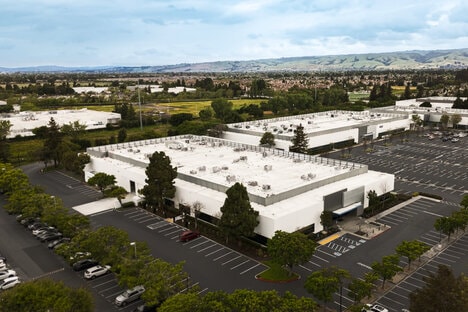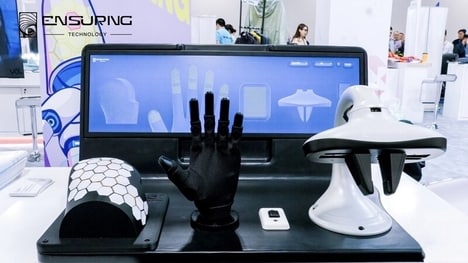
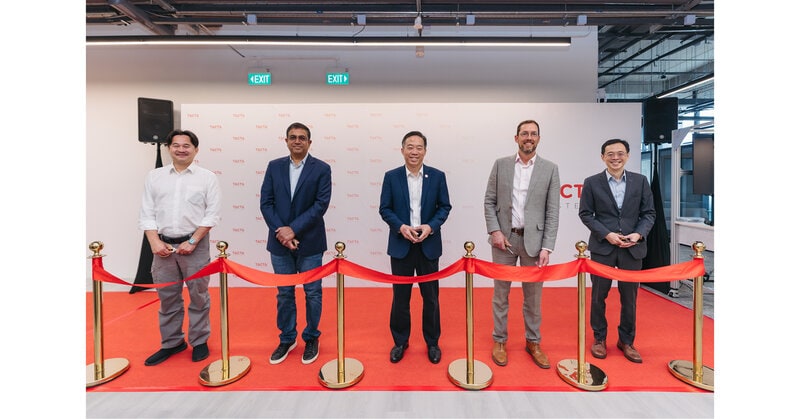
Tacta Systems is scaling skill-capturing robotics gloves that record how skilled workers perform physical tasks to help teach robotic hands new capabilities. Worn naturally during work, the Tacta Glove captures force, motion and temperature data, which is combined with video through the company’s Skill Capture system. This information helps train TactaBot, which integrates the Tacta Hand with a Dexterous Intelligence AI engine to perform precise manufacturing tasks. A new Singapore facility will expand glove production ahead of customer deployments planned for early 2027.
For Tacta, scaling production creates a pathway for bringing dexterous robotics into electronics, AI infrastructure and automotive manufacturing. Capturing existing worker expertise could make it easier for manufacturers to automate complex tasks that require touch and precision. The Singapore operation also positions Tacta near a major semiconductor and manufacturing ecosystem while providing additional capacity to support customers across Asia.
Image Credit: Tacta Systems
What Makes This Trend Stand Out
- Skill-capturing Wearables
- Gloves that translate worker movements, force and tactile cues into machine training data create new pathways for transferring scarce manual expertise into automated systems.
- Dexterous Robotics Training
- Human-demonstration datasets paired with AI-driven robotic hands are reshaping how delicate assembly, handling and inspection tasks can be automated in precision manufacturing.
- Embodied AI Manufacturing
- Robots that combine sensory inputs with learned physical intelligence signal a shift toward automation capable of adapting to nuanced, touch-dependent production environments.
Sectors Adopting This
- Electronics Manufacturing
- Miniature components, fragile materials and high-volume assembly lines make electronics production a strong fit for tactile robotics that can replicate skilled human handling.
- Semiconductor Manufacturing
- Proximity to advanced chip ecosystems highlights demand for robotic systems able to support precise, contamination-sensitive and expertise-intensive fabrication processes.
- Automotive Manufacturing
- Complex part assembly and rising pressure for flexible production environments create room for dexterous robotic hands trained on real worker techniques.