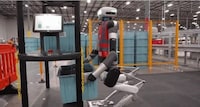
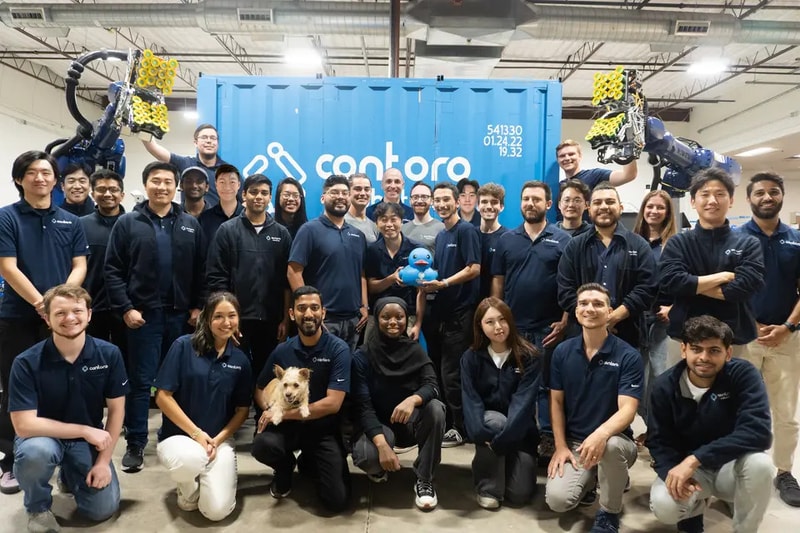
Contoro, an Austin-based AI robotics startup, announced plans to scale production of its warehouse robots, featuring automated picking and handling systems designed for e-commerce fulfillment. The company said it secured investment from a Fortune 150 e-commerce firm and intends to boost manufacturing capacity while expanding operations.
Contoro described a hiring push that will roughly triple its staff to support increased output, with new roles across engineering, production and operations. The rollout also included plans to enter the South Korean market as part of its international expansion. That growth matters for retailers and logistics providers seeking more automation capacity: higher-volume production could lower deployment lead times and costs.
As fulfillment networks add robot fleets, Contoro’s scale-up underscores a broader trend of cloud-connected, AI-driven warehouse automation becoming more widely available.
Image Credit: Contoro
What Makes This Trend Stand Out
- Mass Production of Warehouse Robots
- Higher-volume manufacturing is driving cost-per-unit reductions and shorter lead times, creating room for standardized, commodity-grade robotic systems that compete on price and deployment speed.
- Cloud-connected AI Warehouse Automation
- Wider adoption of cloud-native, AI-driven control stacks is enabling centralized fleet orchestration and continuous performance improvements across distributed fulfillment centers.
- Global Expansion of Robotics Startups
- Entry into international markets like South Korea is exposing startups to varied fulfillment models and regulatory environments, supporting region-specific integration services and localization of hardware and software.
Sectors Adopting This
- E-commerce Fulfillment
- Rapid scaling of robotic fleets is reshaping order-fulfillment economics by lowering labor dependency and enabling denser, automated micro-fulfillment sites near demand centers.
- Contract Manufacturing
- Increased production demand for robots is encouraging the development of specialized contract manufacturers that can offer scalable assembly, testing, and supply-chain consolidation for robotics firms.
- Third-party Logistics Providers
- Logistics operators are positioned to integrate standardized robot fleets into multi-client warehouses, altering service tiers through automation-enabled throughput and real-time resource allocation.