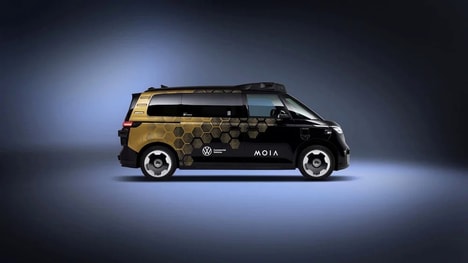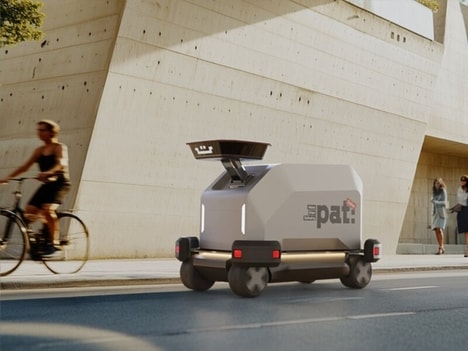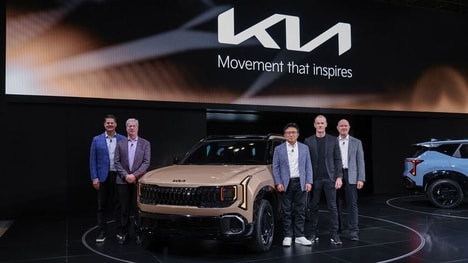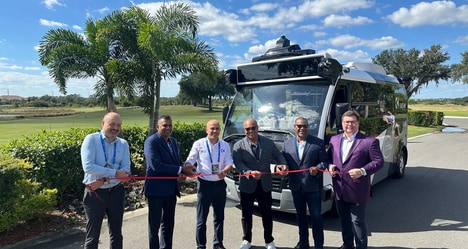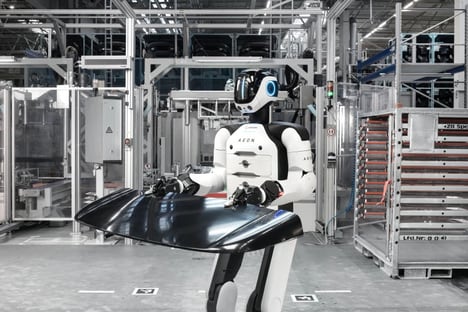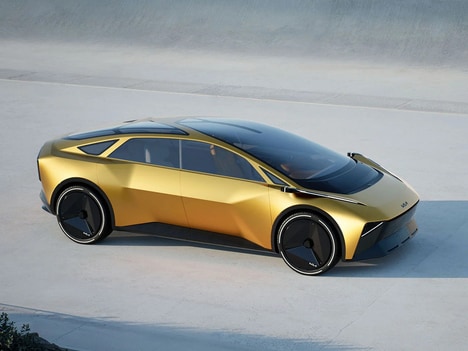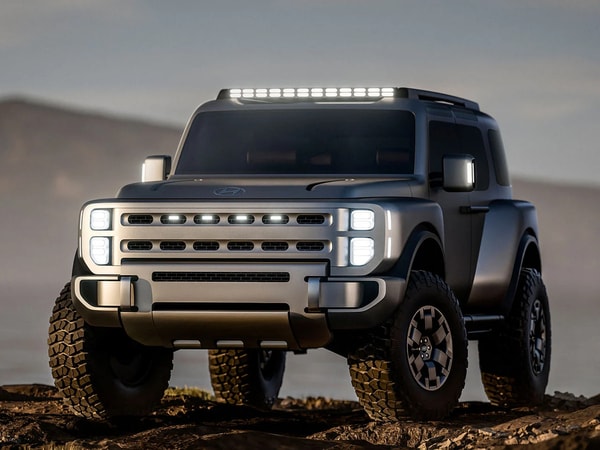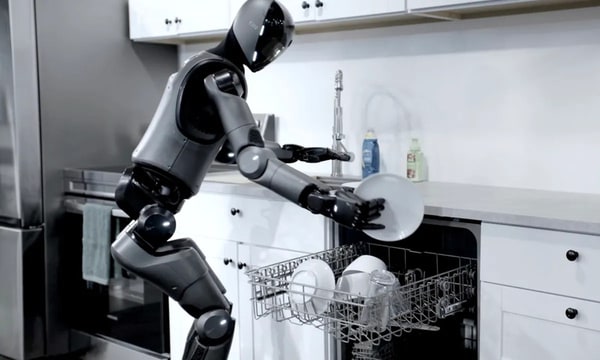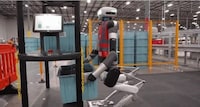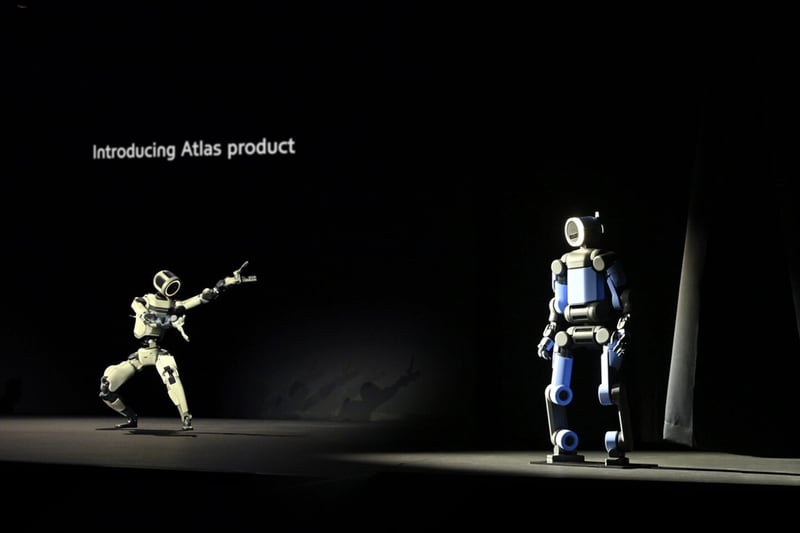
Automotive robotics integration is advancing as Kia outlines plans to deploy humanoid robots across its manufacturing and mobility ecosystem. By incorporating machines like Boston Dynamics’ Atlas into factory workflows, the company is moving toward more automated, adaptable production environments. Beyond manufacturing, Kia is also exploring how robotics can support last-mile delivery through its Platform Beyond Vehicle lineup, blending vehicles with autonomous robotic systems to extend functionality in urban settings.
This shift signals a move toward greater operational efficiency and flexibility in both production and logistics. Automating repetitive or complex tasks can reduce costs and improve consistency, while opening new opportunities in delivery and service models. As competitors adopt similar technologies, robotics may become a key differentiator in the automotive industry. This could reshape workforce dynamics, accelerate production timelines and drive the development of new revenue streams tied to mobility and automation services.
Image Credit: Kia/Boston Dynamics
What's Driving This Trend
- Humanoid-enhanced Manufacturing
- Humanoid robots performing complex assembly and inspection tasks enable factory layouts to become more modular and responsive to mixed-product lines.
- Vehicle-robot Convergence
- Blending autonomous vehicles with mobile robotic systems creates platforms that function as roving service hubs and modular payload carriers in urban environments.
- Robot-enabled Last-mile Delivery
- Last-mile robotic systems augment traditional delivery networks by enabling contactless drop-offs, sidewalk navigation, and denser micro-fulfillment footprints.
Who This Affects Most
- Automotive Manufacturing
- The infusion of adaptable robotics into production lines supports smaller batch customization and faster retooling cycles that can shift cost and lead-time structures.
- Logistics and Delivery Services
- Integrated vehicle-robot delivery models open possibilities for decentralized fulfillment nodes and dynamic, multimodal routing architectures.
- Urban Mobility Services
- Mobility platforms combined with robotic assistants create opportunities for expanded curb-to-door services and novel shared-use revenue models in dense cities.