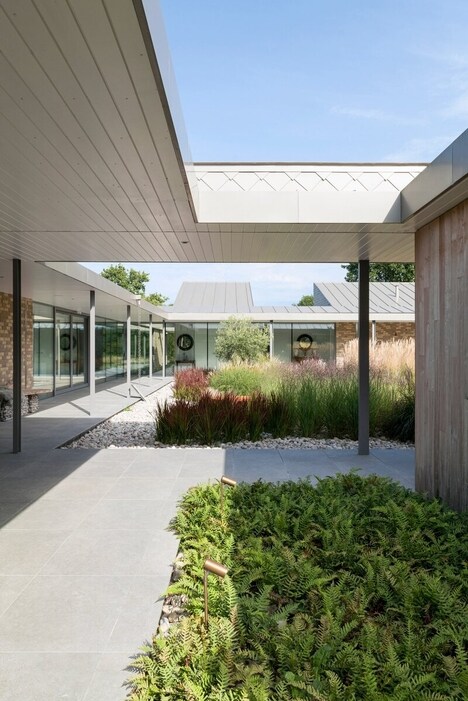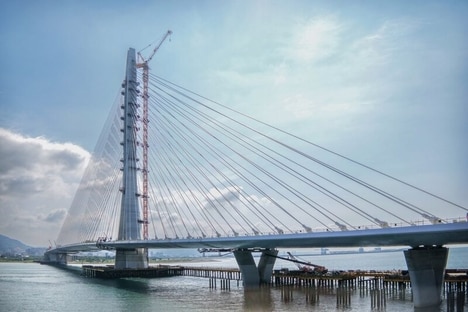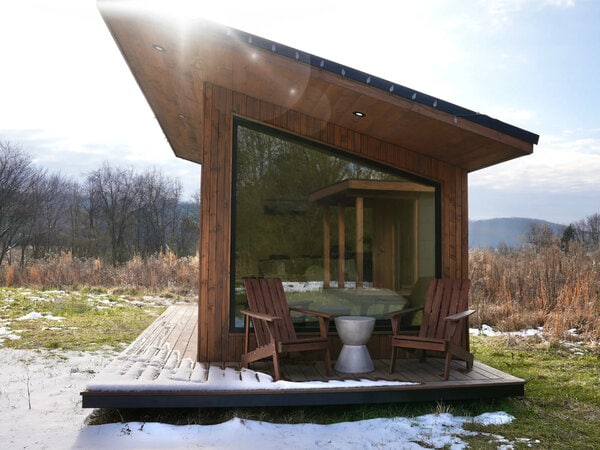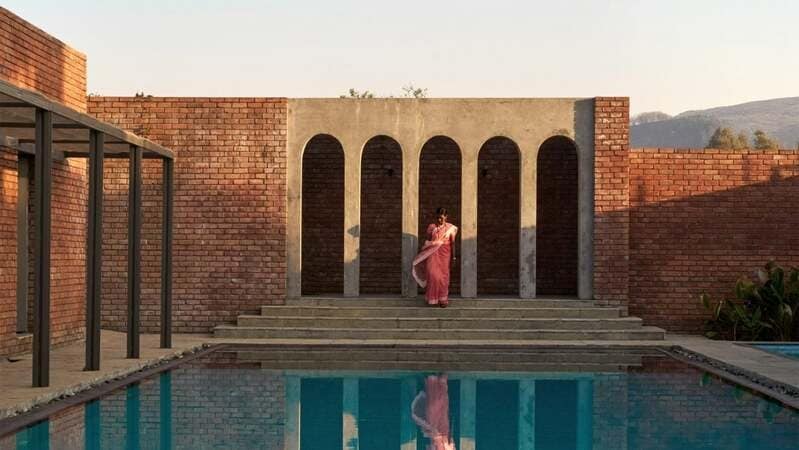
The Street community clubhouse by Studio VDGA transforms a 15,000-square-foot site near Pune, India, into a dynamic network of indoor and outdoor gathering areas. Designed for a residential development of 240 homes, the structure mimics the spatial rhythm of Indian streets, weaving together pathways, terraces, and courtyards to create a sense of movement and belonging. Local materials such as red brick, limestone, and Indian Patent Stone ground the building in regional identity, while shaded walkways and natural ventilation enhance comfort in the warm climate.
The project blurs the boundary between architecture and landscape, encouraging residents to engage with the environment and each other. By prioritizing open-air circulation and human-scale proportions, the clubhouse fosters a shared sense of community. Studio VDGA’s approach demonstrates how thoughtful spatial planning can strengthen connection and well-being while maintaining cultural authenticity and ecological balance.
Image Credit: Edmund Sumner
Key Themes Behind This Trend
- Open-design Architecture
- Emerging architectural designs prioritize openness and integration with the environment, promoting social interaction and community bonding.
- Culturally Grounded Materials
- Utilizing region-specific materials enhances cultural authenticity in architectural projects, providing a unique sense of place and identity.
- Eco-friendly Ventilation
- Architectural structures increasingly incorporate natural ventilation systems to improve comfort and reduce the environmental impact.
Where This Applies
- Residential Development
- Incorporating community-centric spaces into residential projects transforms traditional housing into vibrant community hubs.
- Sustainable Building Materials
- The demand for materials that reflect regional identities and promote ecological balance is driving innovation in the construction sector.
- Landscape Architecture
- Blending architectural and landscape elements fosters a seamless interaction between built environments and their surrounding ecosystems.