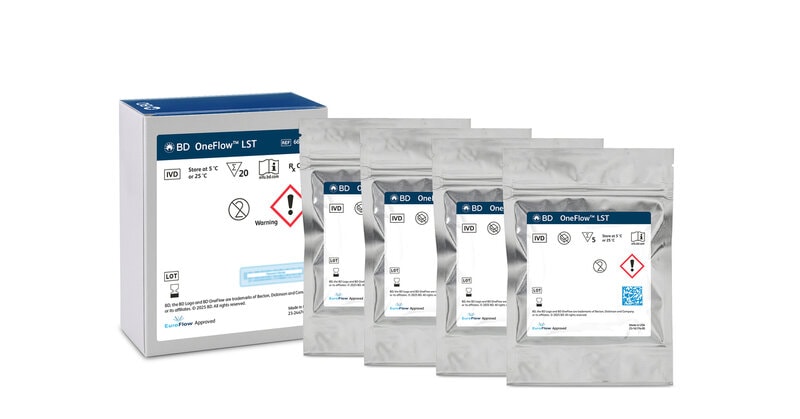
Standardized cancer diagnostics are becoming more accessible as Waters Corporation receives FDA 510(k) clearance for two BD OneFlow tests targeting blood cancers. The ready-to-use testing solutions help clinicians identify B-cell non-Hodgkin lymphoma, including chronic lymphocytic leukemia, while simplifying laboratory procedures and supporting more consistent results.
The BD OneFlow LST and B-CLPD T1 tests combine prepared reagents, established staining procedures, and predefined analysis templates. This integrated system reduces manual preparation compared with conventional liquid reagent mixtures, helping laboratories process samples more efficiently. Both tests are available for preorder, with U.S. commercialization scheduled for spring 2027.
For Waters, regulatory clearance creates opportunities to expand its diagnostic portfolio within the American healthcare market. Clinical laboratories could benefit from shorter processing times, fewer manual errors, and more reliable testing procedures. The approval also supports future development of standardized solutions for additional blood cancers.
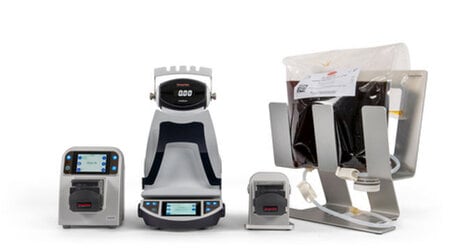
Image Credit: Waters Corporation
What's Driving This Trend
- Ready-to-use Diagnostics
- Preconfigured reagent kits and analysis templates are reshaping clinical workflows by reducing variability and creating room for faster, more scalable disease testing.
- Standardized Oncology Testing
- Consistent diagnostic protocols for cancer detection are strengthening confidence in lab results while opening pathways for broader adoption across decentralized healthcare settings.
- Automated Flow Cytometry
- Integrated staining and analysis systems are modernizing blood cancer assessment through lower manual burden and improved reproducibility in high-volume laboratories.
Who This Affects Most
- Cancer Diagnostics
- FDA-cleared test systems for hematologic malignancies are expanding the market for reliable, simplified tools that support earlier and more consistent clinical decision-making.
- Clinical Laboratories
- Laboratory operations stand to evolve as prepared testing solutions reduce hands-on preparation time, minimize errors, and improve sample throughput.
- Medical Devices
- Regulated diagnostic platforms with embedded workflows are creating competitive differentiation for manufacturers seeking to combine hardware, reagents, and software into unified offerings.