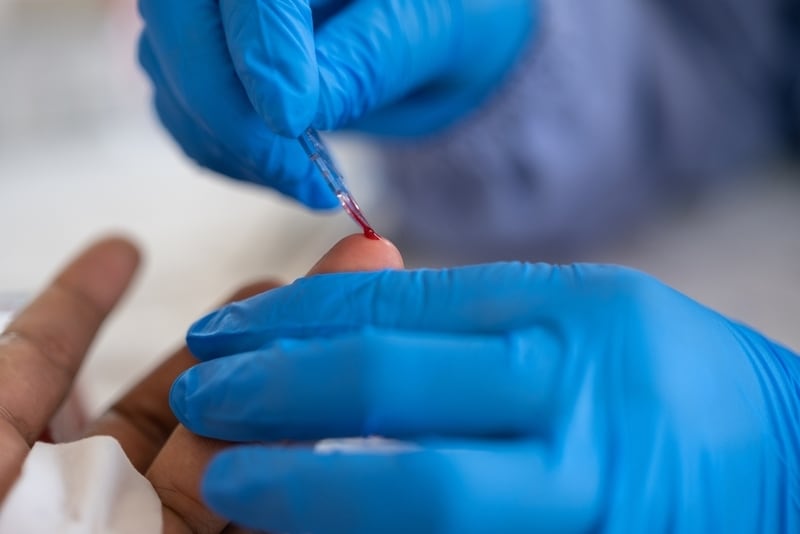
Decentralized diagnostic testing is reshaping healthcare by making routine blood analysis more accessible outside traditional laboratories and hospitals. BD and Babson Diagnostics are advancing this shift through finger-prick blood collection systems that deliver venous-quality results using only a few drops of blood. Their technology enables wellness screenings and chronic disease monitoring to take place in pharmacies, clinics, and other community-based care settings without requiring trained phlebotomists.
For businesses and healthcare providers, this approach could reduce operational strain while expanding patient access to preventative testing. Easier sample collection may improve testing frequency among patients who avoid traditional blood draws due to fear, inconvenience, or limited mobility. Retail pharmacies and decentralized care networks could also play a larger role in diagnostics as low-volume blood testing becomes more reliable. As healthcare systems prioritize convenience, accessibility, and preventative care, simplified blood collection technologies may help reshape how diagnostic services are delivered at scale.
Image Credit: InveStock/Shutterstock
What's Driving This Trend
- Decentralized Diagnostic Testing
- The shift of routine blood analysis into pharmacies and clinics suggests new models for delivering diagnostic services closer to patients with lower infrastructure needs.
- Micro-sample Venous-quality Testing
- Advances that yield venous-quality results from finger-prick volumes open possibilities for compact, point-of-care analyzers and reagent formats optimized for tiny samples.
- Community-based Preventative Screenings
- Expanding convenient screening options into community settings may enable more frequent monitoring and earlier detection of chronic conditions outside traditional care pathways.
Who This Affects Most
- Retail Pharmacy
- With pharmacies positioned as accessible testing points, there is potential for them to incorporate diagnostic services into retail workflows and broaden care offerings.
- Telehealth and Remote Monitoring
- Integration of reliable finger-prick testing data into virtual care platforms could transform remote chronic disease management by providing objective biomarker tracking.
- Clinical Laboratory Services
- Traditional labs may see opportunities to decentralize certain low-volume tests and develop hub-and-spoke models that combine high-complexity analysis with widespread sample collection networks.